
Last updated September 24, 2026
Insulation Permits, Codes & Inspections in CA: What You Need to Know
A Yorba Linda homeowner finishes a garage conversion, adds R-19 batts to the ceiling and walls, and skips the permit because “it’s just insulation.” Three years later at resale, the buyer’s inspector flags the unpermitted work. The city now requires retroactive inspection, which means cutting open drywall to verify assembly details no one documented. The original permit fee would have run under $200. In this guide, we’ll walk through when California law actually requires a permit for insulation work, how Title 24 energy codes apply to existing homes in Orange County, what documentation you should keep, and why the threshold for mandatory inspection in Yorba Linda is lower than most contractors admit. For Insulation Warning Signs: A Yorba Linda Homeowner’s Reference Guide, see our companion resource.
Quick Answer
Most insulation work in California requires a building permit when the job value exceeds $500 or involves alterations to thermal envelope assemblies in climate zone 8, which includes Yorba Linda. For existing-home retrofits, Title 24 Part 6 mandates minimum R-values and often requires HERS verification, while new additions trigger both city inspection and energy-compliance documentation that must be filed with the state.
Table of Contents
- When Is a Permit Required for Insulation Work in California?
- Title 24 Part 6: Minimum R-Values for Climate Zone 8
- HERS Raters vs. Building Inspectors: Who Does What
- The Inspection Process in Yorba Linda and Orange County
- Documentation to Keep and Why It Matters at Resale
- Common Code Violations in Orange County Insulation Jobs
- Permit Costs and Inspection Timelines in Yorba Linda
- Common Mistakes to Avoid
- When to Call a Professional
- Frequently Asked Questions
When Is a Permit Required for Insulation Work in California?
California Residential Code section R102.7 establishes the baseline: work valued at $500 or more, or any alteration affecting structural, electrical, plumbing, or mechanical systems, requires a permit. Insulation sits in a gray zone that trips up homeowners and some contractors alike. Here’s how Orange County jurisdictions, including Yorba Linda, actually apply it.
New construction and additions: Always permitted. The insulation is part of the thermal envelope assembly, and the energy compliance documentation (CF-1R, CF-6R forms) must be filed with the California Energy Commission. No exceptions.
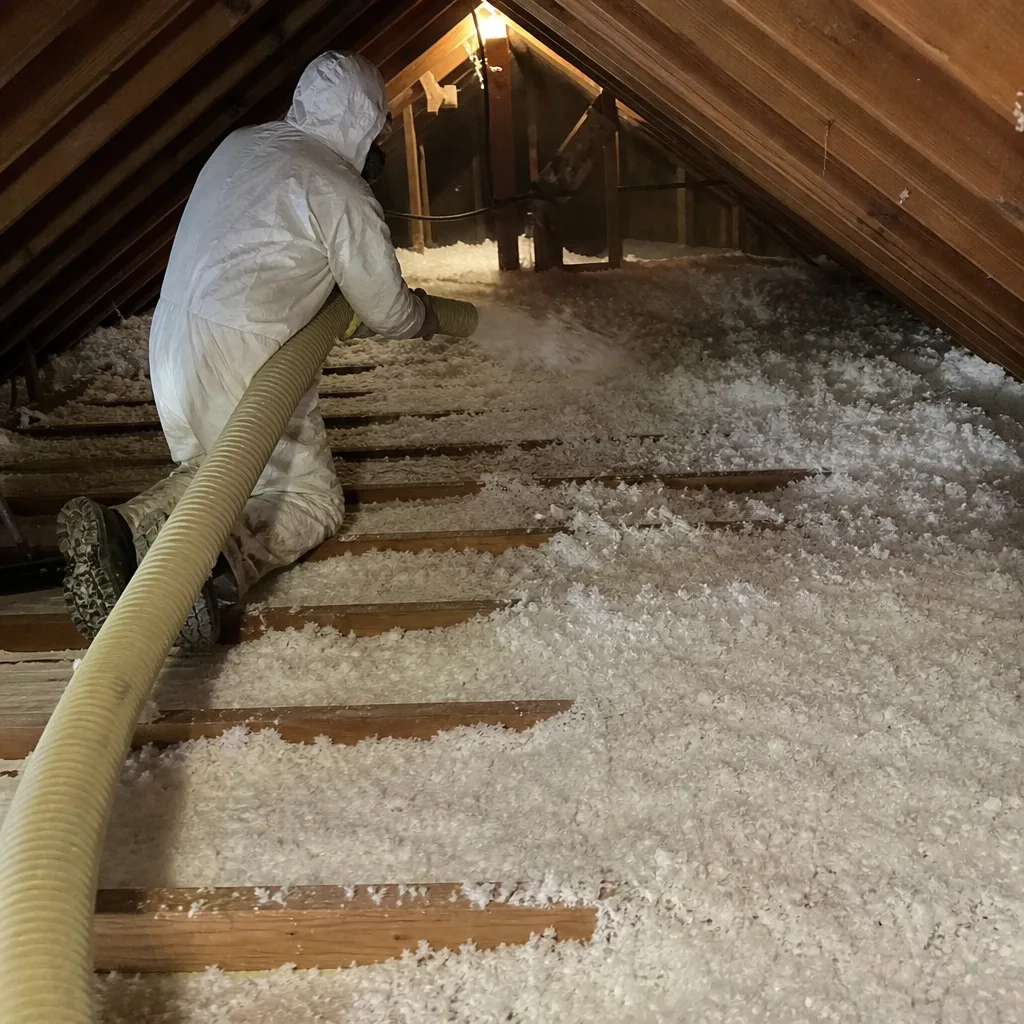
Existing-home retrofits: This is where homeowners get surprised. If you’re adding insulation where none existed before, or replacing insulation in a way that alters the assembly (removing drywall to access wall cavities, for instance), most Orange County building departments treat this as an alteration requiring permit. If you’re simply adding blown-in material on top of existing attic insulation without disturbing the ceiling, some jurisdictions allow this as maintenance exempt from permit, but Yorba Linda’s building department typically still wants to see it if the job value crosses the $500 threshold. Our Attic Insulation Maintenance Checklist for Yorba Linda Homeowners covers routine upkeep that may qualify.
Garage conversions and accessory dwelling units: These are treated as new conditioned space. The insulation must meet Title 24 prescriptive requirements for the newly created assembly, and HERS verification is almost always required. The garage conversion scenario from our opening is the most common permit miss we encounter in Yorba Linda neighborhoods like East Lake and Travis Ranch.
Specific scope triggers that mandate permit regardless of value:
- Removal and replacement of exterior wall insulation requiring drywall removal
- Any spray foam insulation installation, due to fire-rated assembly requirements and ignition barrier specifications
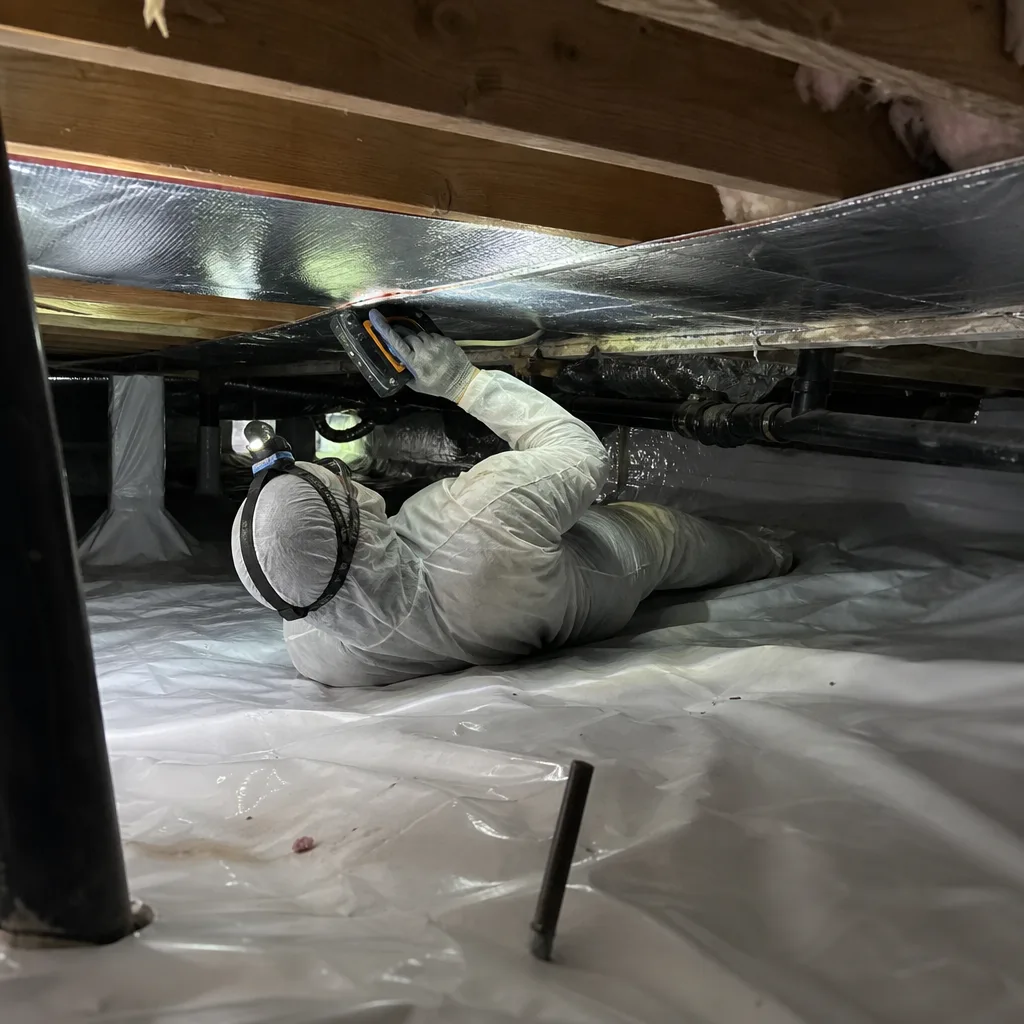
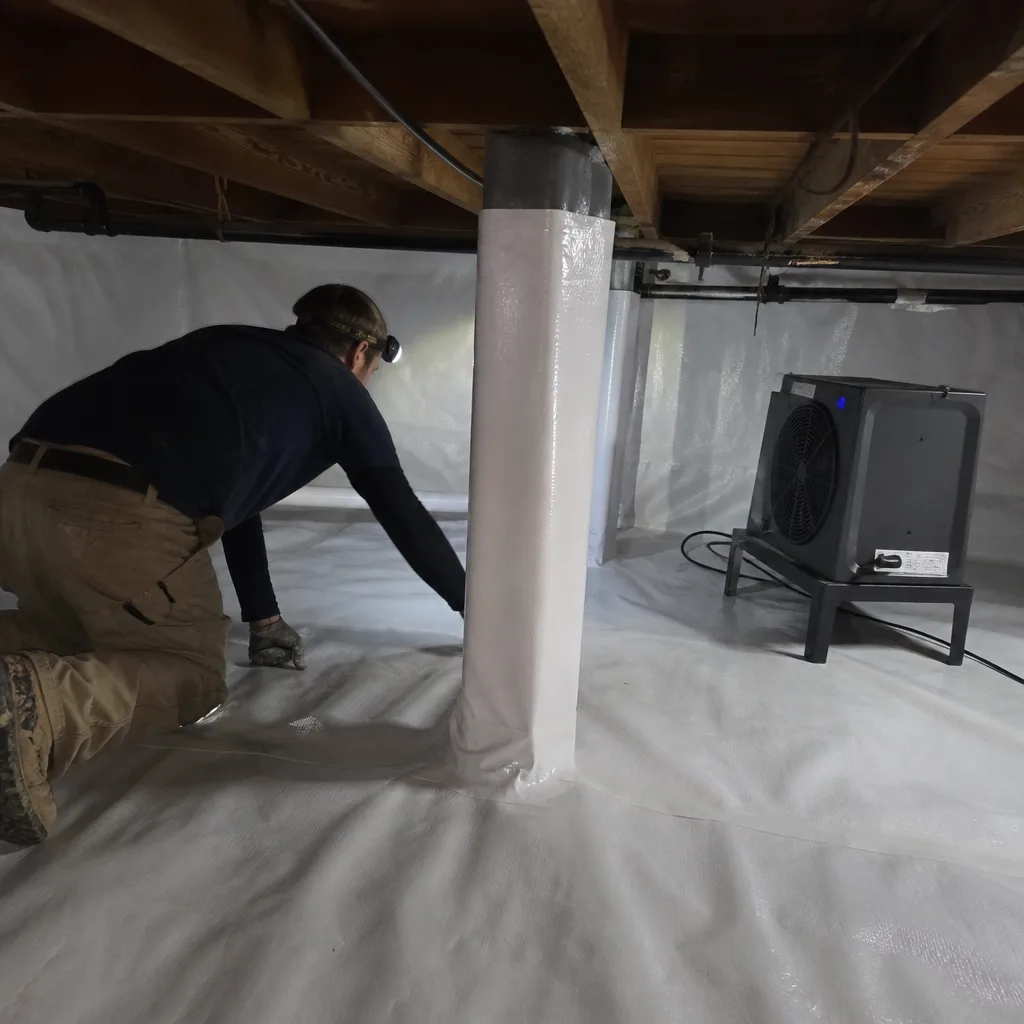
- Crawl space encapsulation that includes vapor barrier and conditioned-space conversion
- Radiant barrier installation when integrated with new roof decking or re-roofing
- Insulation work performed in conjunction with HVAC duct replacement or relocation
We’ve reviewed competitor estimates in Yorba Linda that explicitly state “no permit needed” for jobs that clearly cross these thresholds. Under Haven Standard Clause 1, we put the permit status in writing before work starts. If a contractor won’t commit to whether a permit is required, that’s documentation you should notice.
Title 24 Part 6: Minimum R-Values for Climate Zone 8
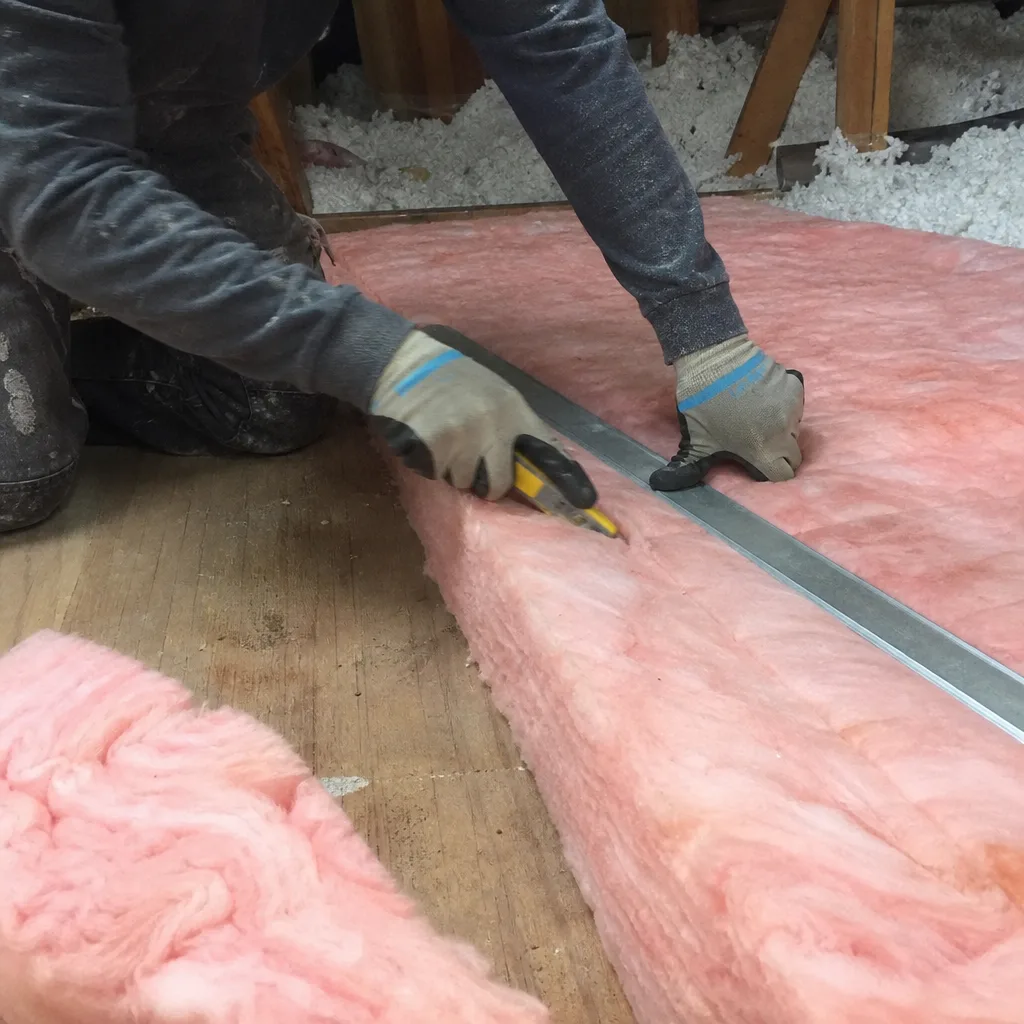
Yorba Linda sits in California climate zone 8, defined by its warm-dry conditions and specific heating and cooling degree-day profiles. Title 24 Part 6 sets minimum thermal performance standards that differ from the International Residential Code (IRC) prescriptive tables some contractors still reference. The IRC minimums are lower, and quoting them in a California jurisdiction is a compliance error.
Prescriptive minimum R-values for climate zone 8, existing buildings:
| Assembly Type | Title 24 Minimum R-Value | Common IRC Minimum (for comparison) |
|---|---|---|
| Ceiling / Attic (flat, vented) | R-38 | R-30 |
| Ceiling / Attic (cathedral or vaulted) | R-30 | R-30 |
| Wood-framed wall | R-13 cavity + R-5 continuous, or R-15 cavity + R-3.8 continuous | R-13 cavity only |
| Floor over unconditioned crawl space | R-19 | R-19 |
| Floor over exterior garage or porch | R-19 | R-19 |
| Slab edge (heated slab) | R-5 vertical insulation, 16 inches minimum depth | R-10 in some climate zones, none in others |
The continuous insulation requirement for walls is the detail most often missed in Yorba Linda retrofit quotes. “R-13 in the walls” satisfies IRC but fails Title 24 in climate zone 8 unless paired with rigid foam sheathing or another continuous insulation strategy. We’ve opened walls in Yorba Linda homes where contractors installed R-13 batts and called the job complete, leaving the homeowner with a code violation they discover at inspection or resale.
Performance compliance path: Title 24 also allows a performance-based approach using approved software (EnergyPro, CBECC-Res, or equivalent). This models the whole building and can trade off insulation values against HVAC efficiency, window performance, or other features. For complex retrofits in Yorba Linda’s older neighborhoods, particularly the 1970s-1980s stock in areas near Yorba Linda Boulevard and Imperial Highway, the performance path sometimes allows lower insulation values if high-efficiency equipment is installed. But the compliance documentation is more extensive, and HERS verification is still required.
Air sealing as prerequisite: Title 24-2019 and later cycles explicitly recognize air sealing as part of the thermal envelope performance. The code references blower-door testing for new construction and certain alterations. While existing-home retrofits aren’t always required to meet specific air leakage targets, the principle is embedded in the code: insulation without air sealing is an incomplete assembly. This is why we seal first, then insulate, on every job. We’ve published before-and-after blower-door numbers on over 9,000 homes since 2016, and the typical Yorba Linda home starts at 3,500-5,000 CFM50 before sealing and finishes at 1,800-2,800 after. For timing these improvements, see our Seasonal Insulation Care for Yorba Linda: Year-Round Homeowner’s Guide.
HERS Raters vs. Building Inspectors: Who Does What
Homeowners often assume one inspector handles everything. In California energy compliance, two distinct roles operate with different authorities and different documentation.
The building inspector: Employed by the city or county, the building inspector verifies that installed materials match the approved plans and that assemblies meet structural and life-safety requirements. For insulation, this means checking R-value labels on batts, depth markers for blown-in material, proper clearance around recessed lighting and combustion vents, and fire-blocking at penetrations. The building inspector stamps the job card or issues a certificate of completion.
The HERS rater: A private third-party certified by the California Energy Commission through a provider like CalCERTS or CHEERS. HERS raters verify the energy features that software models depend on: insulation installation grade (Grade I, II, or III per RESNET standards), air sealing details, duct sealing, and equipment efficiency. They do not work for the city. They work for the compliance process.
When both are required on the same job:
- New construction and additions: Always. The builder coordinates both. The HERS rater typically visits at pre-drywall (to verify insulation installation grade before it’s covered) and again at final (to verify equipment and perform any required testing).
- Existing-home alterations with triggered compliance: If your retrofit involves enough square footage or assembly replacement to trigger Title 24 compliance documentation, a HERS rater must verify specific features. In Yorba Linda, this commonly applies to whole-house re-insulation, room additions over 200 square feet, and garage conversions to conditioned space.
- HVAC changeouts with duct modification: Even if insulation isn’t the primary work, altered ducts in unconditioned space require HERS verification of duct sealing and insulation R-value.
The HERS rater’s findings are submitted to the state database, not to the homeowner directly. But the builder or contractor should provide you with copies of the CF-6R forms (installation certificates) and any test results. Under Haven Standard, we include these in the documented record delivered at job completion.
We’ve seen Yorba Linda jobs where a contractor completed insulation work, passed city inspection, but failed to schedule HERS verification. The city inspection was valid, but the state compliance documentation was incomplete. At resale, this gap surfaces when the title company requests energy compliance certificates that don’t exist.
The Inspection Process in Yorba Linda and Orange County
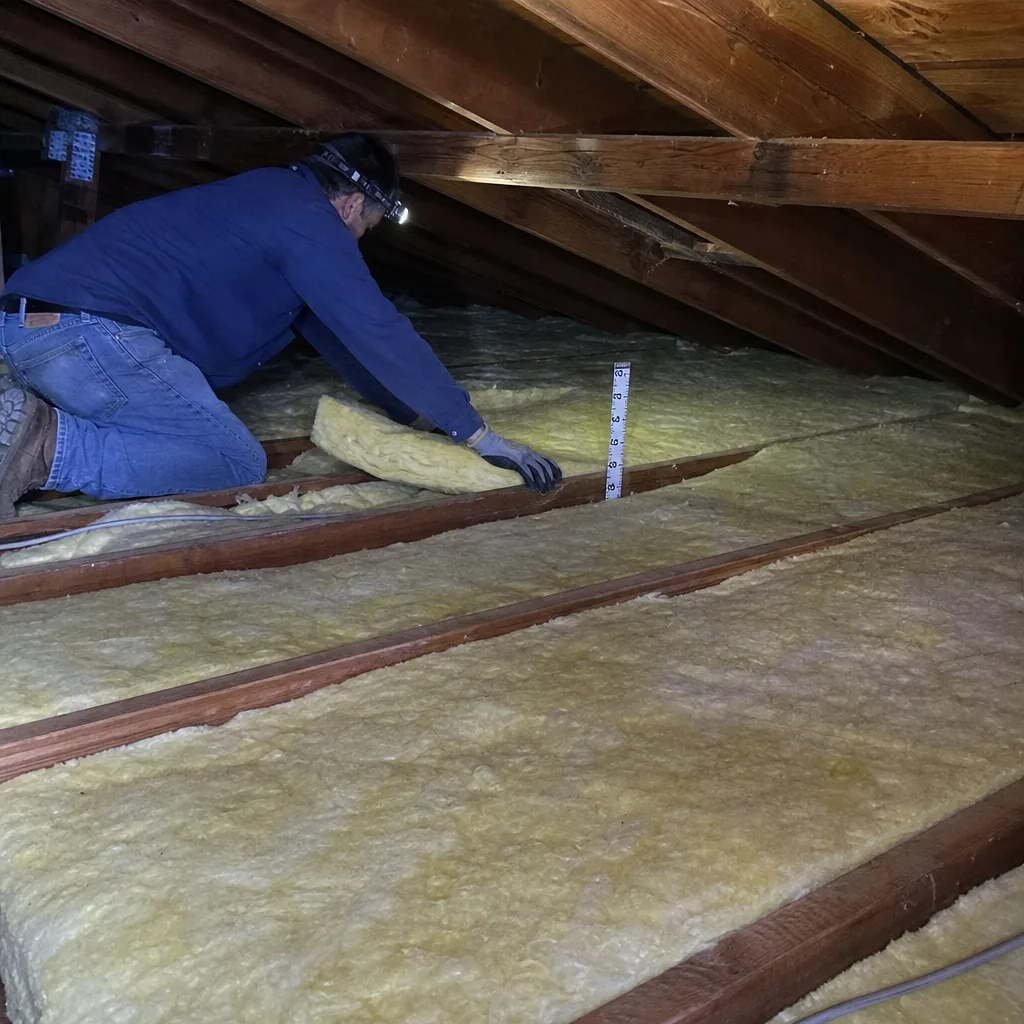
Yorba Linda contracts building inspection services through the Orange County Fire Authority and Orange County Public Works, with plan check and inspection scheduling managed through the city’s development services portal. The specific steps vary by project type, but the sequence follows a consistent pattern.
Step 1: Plan check and permit issuance
Submit plans showing insulation type, R-value, and assembly details. For simple attic insulation retrofits, this may be a single-page specification sheet. For spray foam or wall cavity work, detailed manufacturer cut sheets and ignition barrier specifications are required. Yorba Linda’s plan check turnaround for residential insulation permits typically runs 5-10 business days for over-the-counter permits, longer if routed to full plan check.
Step 2: Pre-installation inspection (when required)
Some assemblies require inspection before insulation is installed. This applies to:
- Wall cavities with fire-blocking or draft-stopping that will be concealed
- Crawl space vapor barrier installations where soil conditions or drainage are factors
- Spray foam applications where substrate condition affects adhesion
Step 3: Rough inspection
For insulation, this is often the critical inspection. The material must be in place but not yet covered. For blown-in attic insulation, depth markers must be visible. For batts, the facing direction and stapling pattern are checked. For spray foam, thickness measurements are taken and ignition barriers verified. In Yorba Linda’s climate zone 8, inspectors pay particular attention to vapor barrier placement, which we’ll address in the violations section below.
Step 4: HERS verification (when triggered)
Scheduled separately, often coordinated by the contractor. The HERS rater photographs insulation installation grade and may perform blower-door or duct leakage testing.
Step 5: Final inspection and documentation
The building inspector verifies that all prior corrections are complete and that the job matches the approved scope. Upon passing, the city stamps the job card and issues a certificate of completion or final inspection sign-off. This document is what you keep.
Typical timeline from permit application to final in Yorba Linda: 2-4 weeks for straightforward attic work, 4-8 weeks for additions or conversions with multiple inspection points. Scheduling delays are most common during March-May and September-November, when construction activity peaks in Orange County.
Documentation to Keep and Why It Matters at Resale
California Civil Code section 1102 requires sellers to disclose alterations made without required permits. The disclosure form specifically asks about room additions, structural modifications, and “other alterations.” Unpermitted insulation work in a garage conversion or addition falls squarely within this requirement.
The documents you should file with your property records:
- Permit application and approved plans
- Job card or inspection record with all sign-off stamps
- Certificate of completion or final inspection approval
- HERS documentation (CF-6R forms, test results) if applicable
- Manufacturer specifications for installed materials
- Contractor invoice with scope description
- Written warranty and any Done Right Promise documentation
We’ve been called to Yorba Linda homes where the seller’s disclosure revealed unpermitted insulation work from a previous owner. The buyer’s lender or insurer then requires proof of compliance before closing. Without documentation, the options are limited: obtain a retroactive permit (often requiring destructive inspection), purchase an expensive retrofit compliance policy, or renegotiate the sale price to account for the buyer’s assumed risk.
The permit fee that would have cost $150-$400 originally becomes a $2,000-$8,000 problem when addressed reactively. In one Yorba Linda case near Lakeview Avenue, a garage conversion’s unpermitted insulation and drywall required full removal to verify electrical and fire-blocking details, then reinstallation. The homeowner’s out-of-pocket exceeded $6,000.
Under Haven Standard, we deliver a Documented Photo Record on every job, included, not available on request. This becomes part of your property file. Combined with the city’s stamped documentation, you have a complete compliance trail.
Common Code Violations in Orange County Insulation Jobs
These are the violations we most often correct in Yorba Linda homes where previous work failed inspection or was performed without permit oversight.
Vapor barrier placement in climate zone 8
Climate zone 8 is a warm-dry zone with limited heating demand. The vapor retarder belongs on the interior side of the assembly in heating-dominated climates, but Yorba Linda’s cooling-dominated profile changes the calculus. Installing a polyethylene vapor barrier on the interior of an air-conditioned wall can trap summer moisture inward, promoting mold in the cavity. Title 24 and IRC both allow vapor-permeable interior finishes in climate zone 8, yet we regularly find kraft-faced batts with the facing installed wrong-side-out, or interior polyethylene sheeting, in Yorba Linda homes built or remodeled by contractors applying Midwest or Northern California conventions.
Thermal bypass blocking above dropped ceilings
Soffits, tray ceilings, and dropped ceiling areas create horizontal cavities that connect conditioned space to attic. Without solid blocking sealed at the top plate, insulation above the dropped area is bypassed by air movement. Inspectors in Orange County check for this with visual inspection and sometimes infrared verification. We’ve found this violation in roughly 30% of Yorba Linda attic retrofits where previous contractors simply blew insulation over the soffit without installing baffles or blocking.
Recessed light clearance
Non-IC (insulation contact) rated recessed fixtures require 3-inch clearance from insulation on all sides. IC-rated fixtures allow direct contact but must be clearly labeled. We’ve removed insulation from Yorba Linda attics where batts were packed against non-IC cans, creating both a fire hazard and a code violation.
Combustion air and vent clearance
Gas water heater and furnace vents require specific clearances to combustible materials, including insulation. The clearance varies by vent type: B-vent, direct vent, and single-wall vent each have different requirements. Spray foam applied too close to a single-wall vent is a violation we see in DIY and cut-rate installations.
Ignition barriers for spray foam
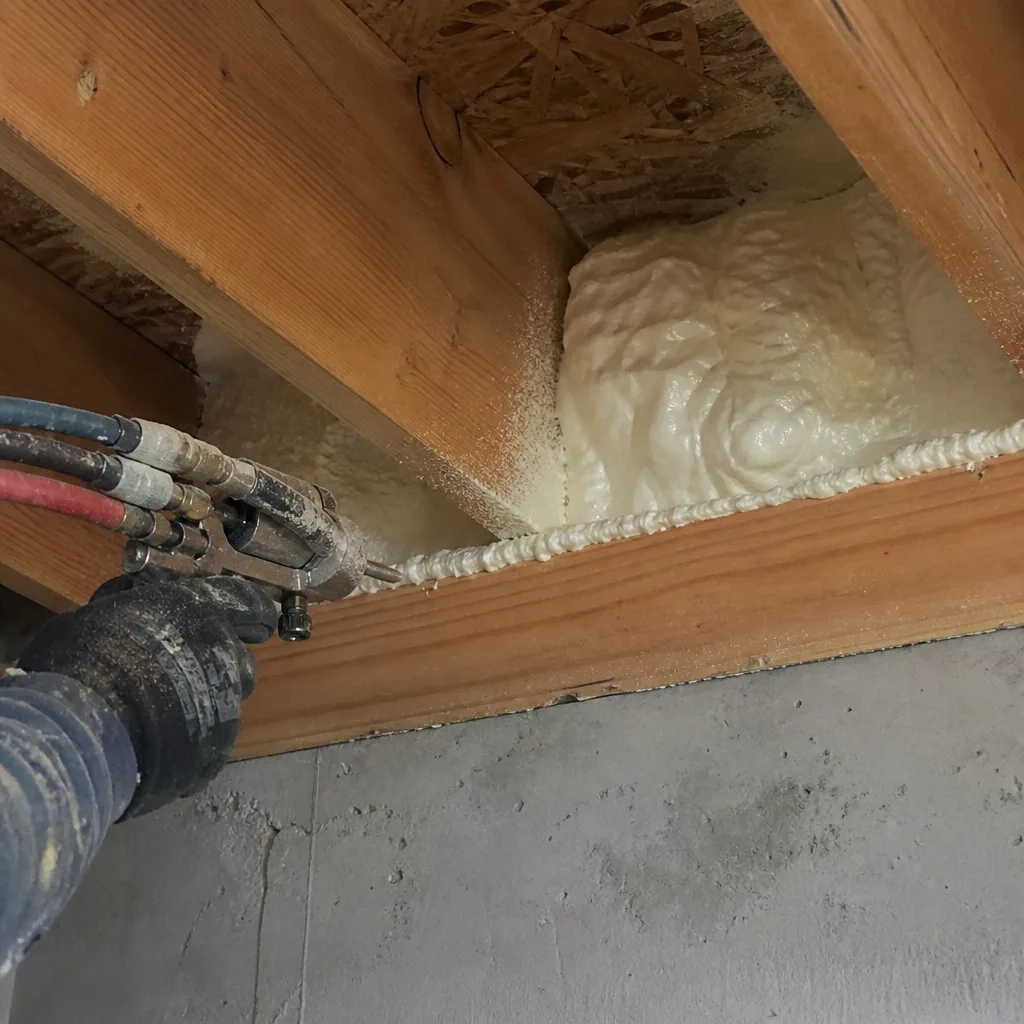
Open-cell and closed-cell spray foam in attics and crawl spaces require an ignition barrier (typically an intumescent coating or 1.5-inch mineral fiber) unless the space is specifically exempted. The exemption criteria are narrow: entry limited to repairs, no storage, no utilities requiring access. Most Yorba Linda attics don’t qualify. We’ve corrected jobs where foam was left exposed, passing initial visual inspection but failing when the inspector checked manufacturer specifications.
Grade III insulation installation
RESNET defines three installation grades. Grade I has minimal gaps and compression. Grade III has substantial defects. Title 24 requires Grade I or II for prescriptive compliance; Grade III triggers a HERS penalty or requires additional efficiency measures. Yet Grade III is common in production installations where speed outweighs care. Our crews are trained to Grade I standard, and we photograph the installation before coverage.
Permit Costs and Inspection Timelines in Yorba Linda
Understanding the financial and time costs of compliance helps homeowners evaluate contractor bids that exclude permit work. Browse our more guides & resources for deeper coverage of California energy code requirements.
Typical Yorba Linda permit fees for insulation work:
| Project Type | Permit Fee Range | Plan Check Fee (if applicable) |
|---|---|---|
| Attic insulation retrofit (blown-in addition) | $150-$250 | Often waived for over-the-counter |
| Wall insulation with drywall removal | $250-$400 | $100-$200 |
| Garage conversion to conditioned space | $400-$800 | $200-$400 |
| Room addition with full envelope | $600-$1,200 | $300-$600 |
| Spray foam (any application) | $200-$500 | $100-$250 |
These are city fees only. Contractor fees for permit expediting, plan preparation, and inspection scheduling vary. Under Haven Standard, we include permit costs in our written price before any work starts, with a line-item breakdown so you see exactly what the city charges versus our coordination fee.
Inspection scheduling in practice:
Yorba Linda uses an online scheduling system with next-day availability for most residential inspections if booked before 3 PM. Same-day inspection is occasionally available for emergency repairs but not for standard insulation work. Re-inspection after a correction carries a fee, typically $100-$150 in Orange County jurisdictions. This is why we don’t schedule final inspection until we’ve verified the installation ourselves against the approved plans.
HERS rater fees:
Third-party HERS verification runs $300-$600 per visit depending on test complexity. Jobs requiring pre-drywall and final visits double this. The rater is selected by the contractor or homeowner from the CEC-approved provider list; the city does not assign one.
For a typical Yorba Linda attic retrofit with triggered compliance, total permit and verification costs run $500-$1,000. For a garage conversion, $1,000-$2,000 is common. These are not optional costs that disappear with an unpermitted contractor. They are deferred costs that compound with interest at resale.
Common Mistakes to Avoid
- Assuming “maintenance” exemption covers your retrofit. Adding insulation where none existed, or removing drywall to access walls, is alteration work, not maintenance. The $500 valuation threshold is easily crossed with material and labor costs in Yorba Linda’s market.
- Accepting an IRC-based quote in a Title 24 jurisdiction. Contractors who quote R-13 walls without continuous insulation, or R-30 attics, are using the wrong code cycle. The work may pass a casual inspection but fails state energy compliance.
- Letting the contractor handle permits without written confirmation. We’ve seen cases where the homeowner assumed permit was included, the contractor never applied, and both parties discovered the gap at final walkthrough. Get the permit number in writing before work starts.
- Covering insulation before rough inspection. Drywall installed over uninspected wall cavities, or attic flooring laid over blown-in without depth verification, forces re-exposure or acceptance of unverified work. Schedule inspection before closing assemblies.
- Ignoring HERS requirements on triggered jobs. Passing city inspection does not complete Title 24 compliance. The HERS database submission is a separate step, and missing it voids your compliance certificate.
- Discarding documentation after final inspection. Keep permits, inspection approvals, and HERS forms with your property records for the life of your ownership. California’s disclosure requirements make these relevant at every future sale.
- Hiring based on “no permit needed” as a selling point. This is a red flag, not a convenience. It signals either ignorance of code requirements or willingness to conceal non-compliance. Either way, you carry the risk.
When to Call a Professional
Call a licensed insulation contractor when your project involves any of the following: spray foam installation (ignition barrier complexity), wall cavity work requiring drywall removal, garage conversion or addition with new conditioned space, crawl space encapsulation with vapor barrier, or any job where you’re uncertain whether Title 24 compliance is triggered. A competent contractor will tell you definitively whether a permit is required, what inspections to expect, and what documentation you’ll receive.
Topside Attic Insulation Yorba Linda offers free estimates in Yorba Linda with written scope and written price before any work starts. We handle permit application, inspection scheduling, and HERS coordination as part of our standard process. Call (909) 323-1675 to schedule.
Frequently Asked Questions
If you’re adding blown-in or batt insulation on top of existing material without disturbing the ceiling, some jurisdictions treat this as maintenance exempt from permit if under $500 in value. Yorba Linda’s building department typically still requires permit for jobs exceeding $500 or involving spray foam, radiant barrier integrated with roofing, or alterations to soffit and ventilation assemblies. Call (909) 323-1675 and we can review your specific scope.
R-value measures thermal resistance; higher numbers mean better insulation. R-38 provides approximately 27% more thermal resistance than R-30. Title 24’s climate zone 8 prescriptive table requires R-38 for flat ceilings because the code balances insulation cost against predicted energy use across the building’s lifecycle. The IRC’s R-30 minimum is a national baseline that doesn’t account for California’s specific energy costs and climate data.
A HERS rater is a third-party energy specialist certified by the California Energy Commission to verify that installed features match the energy model used for compliance. Garage conversions create new conditioned space, which triggers Title 24’s alteration requirements. The HERS rater verifies insulation installation grade, air sealing, and equipment efficiency, then submits documentation to the state database. This is separate from city building inspection.
Most residential insulation permits in Yorba Linda and surrounding Orange County jurisdictions run $150-$400 for retrofits, $400-$1,200 for additions and conversions. Plan check fees add $100-$600 depending on complexity. HERS verification, when required, is additional at $300-$600 per visit. We itemize all permit and compliance costs in our written price before work starts.
California Civil Code section 1102 requires disclosure of unpermitted alterations. The buyer may demand retroactive permitting, a price reduction, or cancellation. Retroactive permitting often requires destructive inspection to verify concealed assemblies. In Yorba Linda, we’ve seen this process cost $2,000-$8,000, compared to $150-$400 for original permitted work. Keep your documentation to avoid this scenario.
Title 24 doesn’t maintain an approved products list, but it references specific standards: ASTM C665 for mineral fiber batts, ASTM C764 for cellulose, ASTM C1029 for spray foam. Materials from established manufacturers like Owens Corning, Johns Manville, Knauf, and GreenFiber typically carry the required testing documentation. We source from these manufacturers and include material specifications in our documented record. No proprietary product lock-in means we select based on performance, not exclusive agreements.
Request the permit number and verify it through the city’s online portal or by calling the building department. In Yorba Linda, permits are trackable through Orange County’s system. The permit should show application date, approved scope, inspection history, and final status. Under Haven Standard, we provide the permit number in writing before work starts and confirm final inspection completion before final payment.
The Bottom Line
California’s insulation permitting landscape is more nuanced than “always permit” or “never permit.” The $500 valuation threshold, Title 24’s climate zone 8 requirements, and the distinction between city inspection and HERS verification create a compliance structure that rewards preparation and punishes assumptions. In Yorba Linda specifically, the intersection of Orange County’s enforcement standards and California’s energy code means that unpermitted work often surfaces at the most expensive possible moment: resale. The documentation you keep, the R-values your assemblies actually achieve, and the verification your contractor obtains are the difference between a completed job and a completed liability. Get the permit, keep the paperwork, and verify that what’s behind your walls matches what the code requires.
Written by Wes Okafor, Owner at Topside Attic Insulation Yorba Linda, serving Yorba Linda since 2016.