
Last updated September 24, 2026
How to Hire a Insulation Contractor in Yorba Linda: A Step-by-Step Guide
Three bids, all quoting R-38 blown insulation, all within $200 of each other - and none of the three mentioned a blower-door test, an air-sealing scope, or a written record of what they’d actually done. That’s the normal hiring process for insulation in Yorba Linda, and it’s why so many attic jobs don’t move the utility bill. In this guide, you’ll learn the five documents to request before signing, the one interview question that separates performance-driven contractors from material-only installers, and how to read a California contractor license so you know who’s actually liable for the work on your home. For more guides & resources on attic insulation, explore our blog.
Quick Answer
Hiring an insulation contractor in Yorba Linda starts with verifying CSLB licensure and workers’ compensation coverage, then requesting five specific documents before you sign: a written scope of work, a material spec sheet with R-value per inch, proof of insurance, a stated air-sealing protocol, and a performance verification plan. The most important question to ask any bidder is whether air sealing is included in the quoted price, what specific bypasses they’ll seal, and how they’ll document the work.
Table of Contents
- Why Most Yorba Linda Bids Look Identical (and Why That’s a Problem)
- The Five Documents to Request Before Signing
- How to Read a CSLB License Lookup
- The One Interview Question That Filters Out Upsell Contractors
- Red Flags in Bids and Proposals
- What Your Signed Contract Must Contain Under California Law
- Yorba Linda Climate, Codes, and Neighborhood Considerations
- Common Mistakes to Avoid
- When to Call a Professional
- Frequently Asked Questions
- The Bottom Line
Why Most Yorba Linda Bids Look Identical (and Why That’s a Problem)
Walk into any Yorba Linda kitchen with three insulation bids spread across the counter, and you’ll see the same pattern: R-38 blown fiberglass, $2.40 to $2.80 per square foot, “install to manufacturers’ specifications.” If you’re wondering what fair pricing looks like, see our Insulation Cost Breakdown: The Yorba Linda Homeowner’s Reference for 2026. The bids look interchangeable because they were written to be interchangeable. They sell a commodity - bags of insulation at a depth - rather than a building-envelope solution.
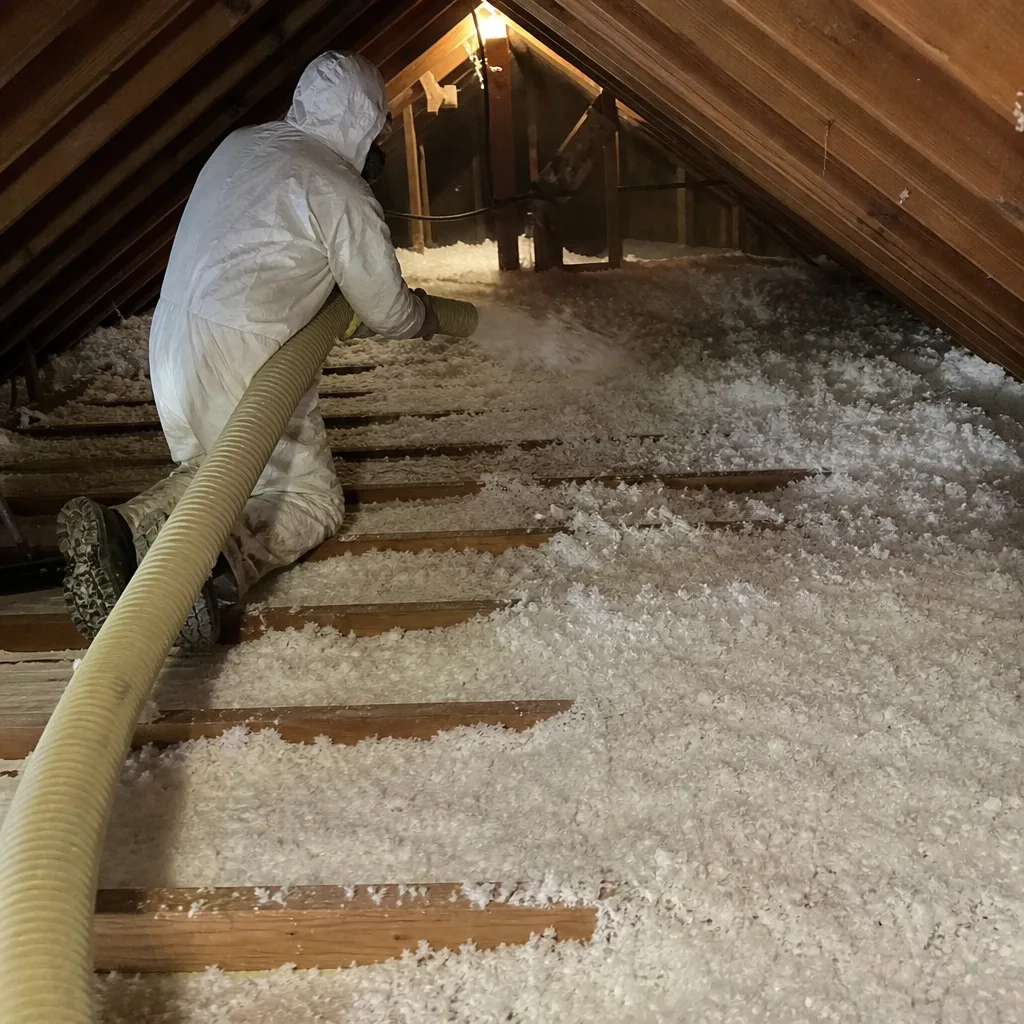
Here’s what those bids usually omit. The attic insulation in Yorba Linda they’re proposing to cover is sitting on a floor full of air leaks. Top plates where wall framing meets the attic deck. Plumbing and electrical penetrations. Can light housings. The chase around the furnace flue. In a typical 1970s ranch in Yorba Linda’s original neighborhoods near Yorba Linda Boulevard and Prospect Avenue, we’ve measured blower-door readings of 3,800 CFM50 or higher before any work started - meaning the house was exchanging its entire volume of conditioned air with the outside every few minutes. Blow R-38 over that leaky floor, and the insulation performs like a sweater with holes in it. The warm air still escapes; the fiberglass just slows it slightly.
The bids look identical because they ignore the actual problem. Two contractors quoting the same R-value at similar prices can produce radically different results: one leaves your attic floor leaking at 3,200 CFM50, the other gets it to 1,800 CFM50 with proper air sealing first. Same bags of insulation. Different utility bills. Different comfort. The homeowner who evaluates on price and R-value alone has no way to know which bidder they’re getting.
We’ve seen this in Yorba Linda’s newer construction too. Homes built in the 1990s and 2000s in neighborhoods like East Lake Village and Travis Ranch often have better initial sealing but develop bypasses around recessed lighting and duct chases as homeowners renovate. A bid that doesn’t inspect these areas, doesn’t test with a blower door, and doesn’t specify sealing in writing is guessing at best.
The Five Documents to Request Before Signing
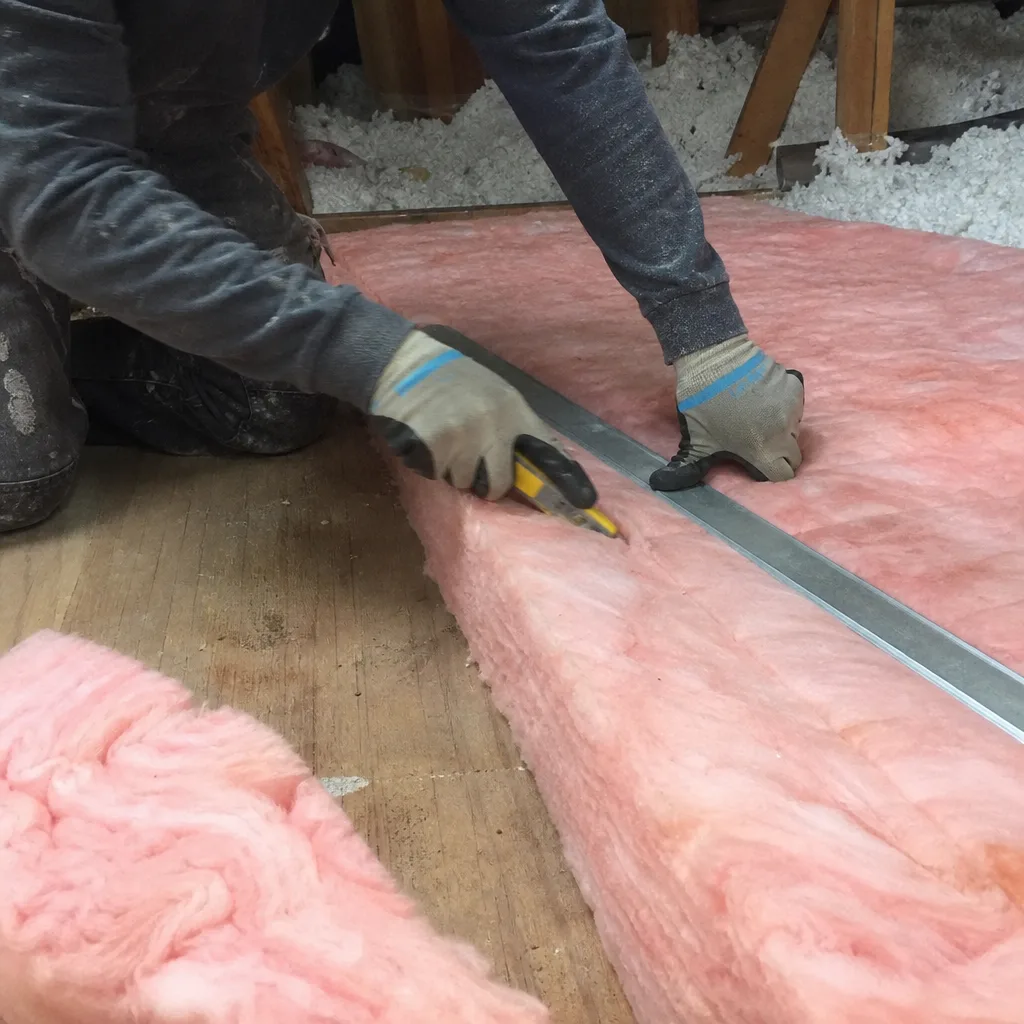
Before you sign any contract or pay any deposit, request these five documents. A contractor who can’t produce them isn’t prepared to stand behind the work.
- Written scope of work. Not a proposal summary - a line-item scope stating exactly what areas will be insulated, to what depth, with what material, and in what sequence. It should specify whether existing insulation will be removed or covered, whether baffles will be installed at eaves, and whether attic decking or storage platforms will be raised or modified. Under Haven Standard Clause 1, every job begins with a written price and a written scope before anyone lifts a tool.
- Material spec sheet with R-value per inch. Insulation products vary in density and performance. Blown fiberglass from one manufacturer may achieve R-38 at 12 inches; another requires 14 inches due to lower settled density. The spec sheet should name the manufacturer - Knauf, Owens Corning, Johns Manville, or another recognized brand - and state the installed density in pounds per square foot and the settled R-value per inch. Without this, you can’t verify depth at inspection.
- CSLB license verification. We’ll cover this in detail in the next section, but you need the license number in writing so you can verify it independently at cslb.ca.gov. Don’t accept “we’re licensed” as sufficient.
- Proof of workers’ compensation insurance. In California, contractors with employees must carry workers’ comp. Ask for a certificate of insurance naming you as the certificate holder, or verify coverage through the CSLB license lookup. If a worker is injured in your attic and the contractor lacks coverage, your homeowner’s policy may be the next target.
- Stated air-sealing protocol. This is the document most bids omit entirely. It should specify which bypasses will be sealed (top plates, can lights, penetrations, duct chases, the attic access hatch), what materials will be used (caulk, spray foam, rigid foam with sealant, fire-rated enclosures where required), and how the results will be verified. At minimum, the protocol should state whether a blower-door test - a pressurization reading that shows, in one number, how much air your building envelope is losing - will be performed before and after work. Topside Attic Insulation Yorba Linda home publishes these numbers on every applicable job so homeowners can see the performance change they paid for.
Contractors who treat these documents as excessive are telling you something. The Haven Standard requires written scope, written price, and written warranty before work starts - not because paperwork impresses anyone, but because clarity prevents the disputes that arise when expectations aren’t recorded.
How to Read a CSLB License Lookup
California’s Contractors State License Board maintains a public database at cslb.ca.gov. Every legitimate contractor will give you their license number without hesitation. Here’s how to read what you find.
Enter the license number and check four fields. First, License Status should read “Active.” Suspended or expired licenses are non-starters. Second, Classification tells you what the contractor is legally permitted to do. For insulation work, you’re looking for C-2 (Warm-Air Heating, Ventilating and Air-Conditioning) or C-2 Insulation and Acoustical, which specifically covers insulation installation. A B (General Building Contractor) classification allows insulation only as part of a larger project involving two or more unrelated trades - a kitchen remodel with insulation as one component, for instance. If you’re hiring someone solely for insulation, a B contractor operating without a C-2 specialty may be working outside their classification, which affects insurance coverage and your recourse if something goes wrong.
Third, check Workers’ Compensation Insurance. The field should show “Certificate on file” if the contractor has employees, or “Exempt” if the contractor is a sole proprietor with no employees. Be cautious with “Exempt” - some contractors misclassify workers as subcontractors to avoid premiums. Fourth, review Bond History and Disciplinary Actions. A bond claim or recent disciplinary action isn’t automatically disqualifying, but it’s worth asking about.
In Yorba Linda, we’ve encountered homeowners who hired handymen or unlicensed operators for “simple” insulation jobs, only to discover the work triggered code violations when they later sold their homes. The CSLB lookup takes three minutes. Do it every time.
The One Interview Question That Filters Out Upsell Contractors
Ask this exactly: “Is air sealing included in this price, and if so, what specific bypasses will you seal and how will that be documented?”
The response falls into three categories. The honest no: “Air sealing isn’t included; we can add it for an additional charge.” This contractor is at least transparent. You can evaluate whether the upsell is priced fairly. The vague yes: “Oh yeah, we seal everything up there.” Everything is not a scope. Everything is not documentable. This contractor may run a bead of caulk around visible gaps and call it done. The specific yes: “We’ll seal all top plates with acoustic sealant, box out can lights with fire-rated covers sealed to the drywall, foam-seal all plumbing and electrical penetrations larger than a quarter-inch, and seal the attic access hatch with weatherstrip and latch hardware. We’ll run a blower-door test before and after, and you’ll get the readings in writing.”
That third response is what you’re listening for. It names specific locations, specific materials, and specific verification. It tells you the contractor has a protocol, not a sales pitch.
At Topside Attic Insulation Yorba Linda home, we won’t blow insulation over an unsealed attic floor. It’s not an upsell; it’s a prerequisite. We’ve seen too many Yorba Linda attics where previous contractors added R-38 over a floor still leaking at the top plates, and the homeowner got a marginal comfort improvement for a substantial investment. In one 1985 home near Lakeview Avenue, we measured 4,100 CFM50 before any work, sealed the bypasses, and dropped the reading to 2,200 CFM50 - then added insulation. The post-insulation blower-door reading was 2,050 CFM50. Without the sealing, that insulation would have been ventilating the attic through the fiberglass.
The question works because it forces specificity. Contractors who treat air sealing as an afterthought can’t fake the details. And the details are what separate a performance result from a material installation.
Red Flags in Bids and Proposals
Some warning signs are obvious. Others hide in plain sight on otherwise professional-looking documents. For a deeper look, read our Insulation Warning Signs: A Yorba Linda Homeowner’s Reference Guide, and watch for these in Yorba Linda bids specifically.
- Price quoted per square foot without a site visit. Attic geometry varies enormously. A 1,500-square-foot home with a simple gable roof and open attic is straightforward. The same footprint with a complex roofline, multiple dormers, or limited access requires different labor and material calculations. A per-square-foot price without inspection is either inflated to cover unknowns or unsustainably low, which means corners get cut.
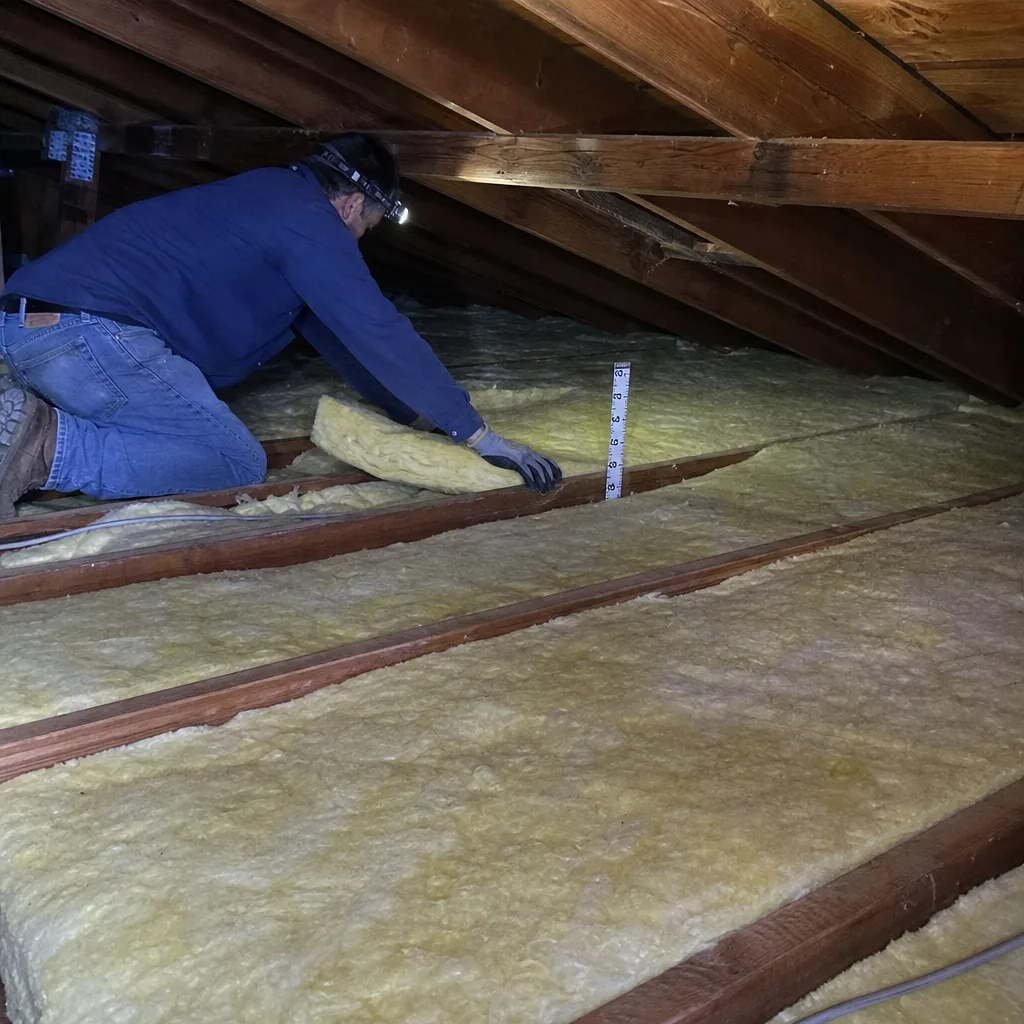
- R-value guarantee without depth verification protocol. Any contractor can promise R-38. The question is how they’ll prove they achieved it. Will they photograph depth markers against a tape measure at multiple locations? Will they specify settled versus installed depth? Blown insulation settles; the bag label states both. A bid that guarantees R-38 without stating how depth will be verified is unenforceable.
- No mention of attic ventilation assessment. Yorba Linda’s warm, dry climate means attics can reach 140°F in summer. Proper ventilation - soffit vents, ridge vents, gable vents, or powered exhaust - is required by California Building Code and critical to insulation performance. A bid that doesn’t assess existing ventilation or specify whether baffles will be installed to maintain airflow over new insulation is incomplete. We’ve seen attics in Yorba Linda where well-meaning contractors packed insulation tight against eaves, blocking soffit vents and trapping moisture.
- Vague material descriptions. “Premium blown insulation” or “top-grade fiberglass” means nothing. The spec sheet should name the manufacturer and product line. We source materials from Knauf, Rockwool, CertainTeed, and other recognized manufacturers - never proprietary products with unverifiable claims.
- Pressure for immediate decision. Under Haven Standard, you get a written price, a written scope, and time to review. No “today-only” pricing, no manufactured urgency. A contractor confident in their value doesn’t need to rush your signature.
- No local permit discussion. In Yorba Linda, insulation work that alters the building envelope typically requires a permit from the City of Yorba Linda Building Division. A contractor who says “permits aren’t needed for this” without checking the specific scope is either uninformed or avoiding oversight. Permits protect you; they ensure inspections verify depth, coverage, and fire safety clearances around heat-producing fixtures.
What Your Signed Contract Must Contain Under California Law
California law requires specific elements in home improvement contracts over $500. Know what you’re entitled to, then know what reputable contractors add voluntarily.
Required by California Business and Professions Code Section 7159:
- The contractor’s name, address, and CSLB license number
- A description of the work to be performed and materials to be used
- The total contract price, including any finance charges
- The approximate start and completion dates
- A notice of your three-day right to cancel
- A notice that the contractor must be licensed and that you may check the license at cslb.ca.gov
What reputable contractors add voluntarily:
A performance verification plan. For insulation work, this should include pre- and post-job blower-door numbers as a documented record of air-sealing effectiveness. Not every job requires blower-door testing - a straightforward insulation top-off in a previously sealed attic may not - but any job involving air sealing should include it. The numbers go in writing, dated, with the technician’s name.
A material warranty and a workmanship warranty, separately stated. Material warranties come from manufacturers - Knauf, Rockwool, CertainTeed, and others offer varying terms. Workmanship warranties come from the contractor. Our 365-Day Done Right Promise covers all completed work: if it’s not done right, we make it right. That’s backed by a written scope and written warranty delivered before anyone starts.
A Documented Photo Record. Not available on request - included on every job. You should know what your attic looked like before, during, and after work without having to ask.
A payment schedule tied to verifiable milestones, not calendar dates. Never pay the full amount before work is complete and inspected. Standard practice in Yorba Linda is a modest deposit (often 10% or $1,000, whichever is less), progress payments at defined stages, and final payment upon satisfactory completion.
Yorba Linda Climate, Codes, and Neighborhood Considerations
Yorba Linda sits at the northern edge of Orange County with elevation ranging from 400 to 1,200 feet. The climate is warm-summer Mediterranean - hot, dry days from June through October, mild winters with occasional Santa Ana wind events that drive warm, dry air through any gap in the envelope. This climate profile shapes what effective insulation looks like here.
Summer attic temperatures regularly exceed 130°F in Yorba Linda’s unshaded neighborhoods. That heat radiates through the ceiling plane if insulation is thin, settled, or poorly distributed. We’ve found original 1960s and 1970s homes near Imperial Highway and Kellogg Drive with three inches of aged fiberglass, compressed and dirty, performing at perhaps R-8. The homeowners assumed their air conditioners were undersized; in fact, their ceilings were radiating heat faster than the HVAC could remove it.
Winter brings a different problem. Those same Santa Ana winds create negative pressure zones on the leeward side of homes, pulling conditioned air out through attic bypasses. A house that leaks at 3,500 CFM50 in calm conditions may leak significantly more under wind load. Air sealing matters year-round in Yorba Linda, not just in summer.
Local code requirements matter too. The 2022 California Energy Code (Title 24, Part 6) requires minimum attic insulation of R-49 for new construction and major alterations in Climate Zone 8, which includes Yorba Linda. For details on permits and compliance, see Insulation Permits, Codes & Inspections in CA: What You Need to Know. Existing homes being retrofitted aren’t always required to meet new-construction standards, but any permit-triggering work must comply with current code. A contractor who doesn’t know Yorba Linda’s climate zone or current Title 24 requirements is flying blind.
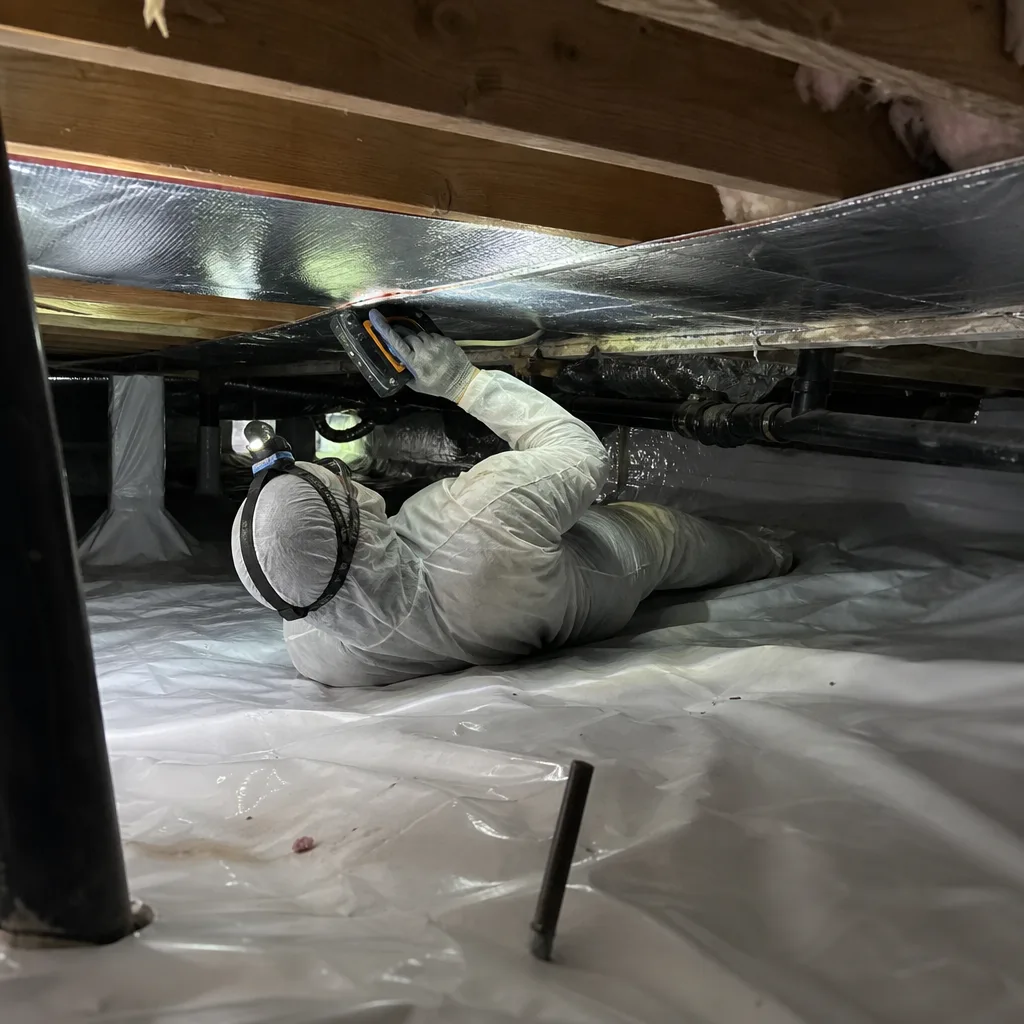
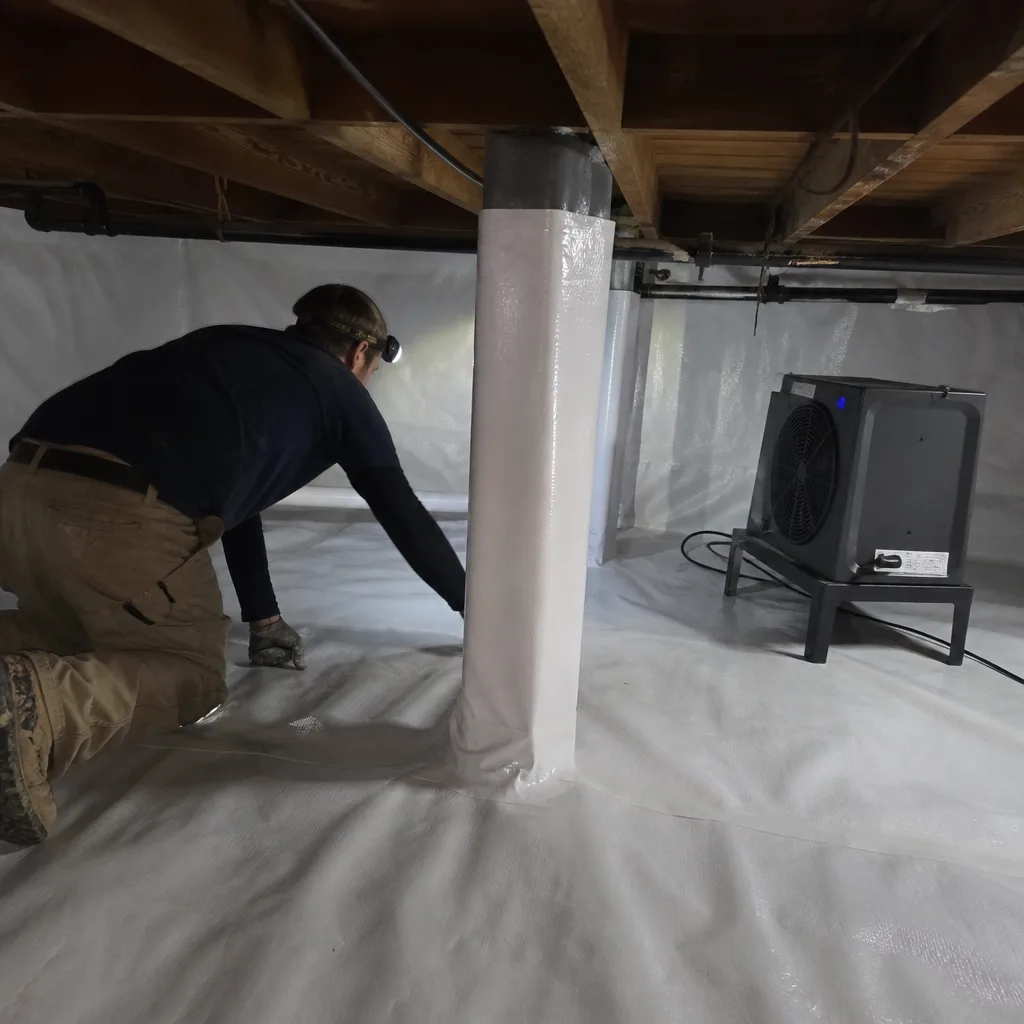
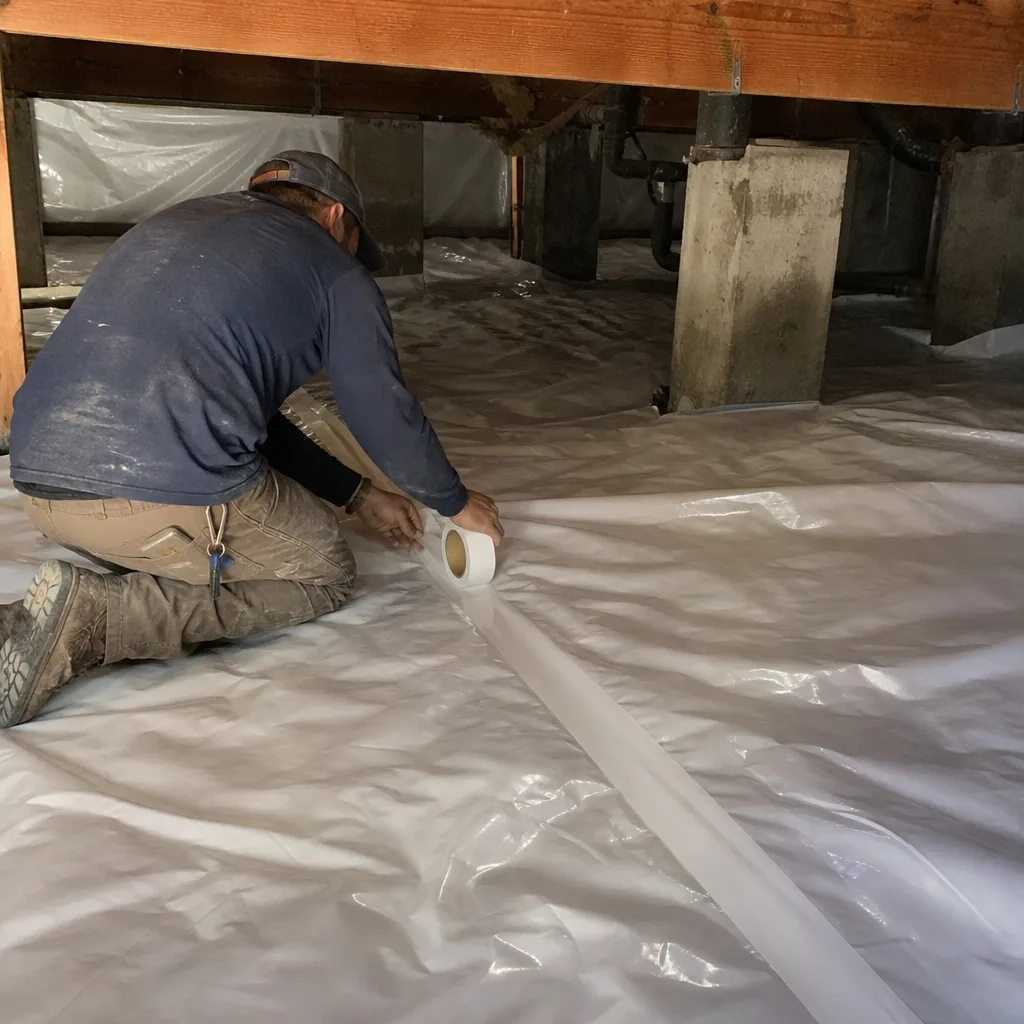
Neighborhood-specific considerations: Homes in the older central area, north of Yorba Linda Boulevard, often have original knob-and-tube wiring or early Romex that must be evaluated before insulation contact. Homes in newer developments like Bryant Ranch may have truss attics with limited working height, requiring specialized equipment for proper coverage. Crawl space encapsulation and vapor barrier in Yorba Linda is another common need in hillside homes with raised foundations, where ground moisture and perimeter leaks compound envelope problems.
For homeowners considering spray foam insulation in Yorba Linda, the climate affects product selection too. Open-cell spray foam (like Icynene) performs well in our dry climate but requires careful application thickness to avoid vapor condensation in winter. Closed-cell foam provides higher R-value per inch and vapor barrier properties but costs more. The right product depends on the specific assembly - roof deck, wall cavity, or floor joist - and the moisture management strategy.
Common Mistakes to Avoid
- Comparing bids on R-value alone. R-38 in a leaky attic performs like R-20 in a tight one. The critical number isn’t on the bag; it’s the blower-door reading after the work is done.
- Skipping the CSLB lookup. We’ve met Yorba Linda homeowners who discovered their contractor’s license was suspended mid-project. The lookup takes three minutes. Do it before you sign, not after problems arise.
- Accepting verbal promises about air sealing. “We’ll take care of that” evaporates when the crew is in a hurry. If it’s not in the written scope, it’s not included.
- Ignoring attic ventilation. Yorba Linda’s summer heat kills insulation performance if hot air can’t escape. A bid that doesn’t address ventilation is planning for failure.
- Hiring based on lowest price without scope comparison. The lowest bid often omits air sealing, proper depth verification, or permit costs. Compare line items, not bottom lines.
- Neglecting to ask about cleanup and protection. Insulation work generates dust. Your home’s interior needs protection, and the attic access area needs thorough cleaning afterward. This should be specified in the scope, not assumed.
- Waiting for extreme weather to act. The worst time to hire an insulation contractor is the first 100°F day in July, when everyone calls at once. Schedule work in spring or fall for better crew availability and more comfortable attic working conditions - which translates to more careful work.
When to Call a Professional
Call a contractor when your attic insulation is below current code levels, when you feel temperature variation between rooms with no ductwork explanation, when your summer cooling costs spike without rate changes, or when you’re considering any renovation that opens walls or ceilings. In Yorba Linda specifically, homes built before 1990 often have insulation that has settled, been disturbed by prior work, or never met modern standards to begin with.
Topside Attic Insulation Yorba Linda offers free estimates in Yorba Linda - call (909) 323-1675. Every estimate includes a written scope, a written price, and a discussion of whether your home would benefit from blower-door testing. We don’t start work without both parties signing the scope, and we don’t leave without documenting what was done.
Frequently Asked Questions
Most complete attic insulation jobs in Yorba Linda run between $2,800 and $5,500 for a typical 1,500 to 2,500 square foot home, including air sealing and depth verification. Prices vary with attic accessibility, existing insulation condition, and whether removal is required. Call (909) 323-1675 for an exact quote - estimates are free, and we provide a written price before any work starts.
Air sealing is a prerequisite, not an upsell. In Yorba Linda’s climate, an unsealed attic floor allows conditioned air to escape year-round and hot attic air to infiltrate in summer. We’ve measured blower-door reductions of 40% or more from proper sealing alone, before adding any insulation. A contractor proposing insulation without sealing is selling you material, not performance.
A C-2 Insulation and Acoustical license specifically authorizes insulation installation. A B General Building Contractor can perform insulation only as part of a larger project involving two or more unrelated trades. For standalone insulation work, a C-2 specialist is properly classified and carries the specific insurance and bonding for that trade.
Look for soffit vents at the eaves, ridge vents along the peak, or gable vents at the ends. In Yorba Linda’s heat, attics need approximately 1 square foot of net free vent area per 150 square feet of attic floor space (or 1:300 with proper vapor barrier). A contractor should assess this during site evaluation and specify baffle installation if needed to maintain airflow over new insulation.
Sometimes, but not always. If existing insulation is dry, uncontaminated, and reasonably level, new material can be added. If it’s wet, moldy, compressed below half its original depth, or contaminated by rodent activity, removal is necessary first. We provide a Documented Photo Record of existing conditions so you can see the recommendation and decide with evidence.
A typical Yorba Linda attic - 1,500 to 2,000 square feet with straightforward access - takes one to two days including air sealing, insulation installation, and cleanup. Complex rooflines, limited access, or insulation removal add time. We specify start and completion dates in writing before work begins.
The Bottom Line
Hiring an insulation contractor in Yorba Linda isn’t about finding the lowest price for a bag count. It’s about finding a contractor who will seal your envelope first, insulate second, and prove the result with documented numbers. Request the five documents. Ask the one question. Verify the license. And don’t sign until the scope, the price, and the verification method are in writing. The comfort you gain and the energy you don’t waste will outlast any bid comparison spreadsheet.
Written by Wes Okafor, Owner at Topside Attic Insulation Yorba Linda, serving Yorba Linda since 2016.