
Last updated September 24, 2026
DIY vs Professional Insulation: The Yorba Linda Homeowner’s Decision Guide
A Yorba Linda homeowner installs R-38 blown cellulose correctly - right depth, right density - saves $900 in labor, and then discovers that their solar permit application requires a Title 24 energy compliance record for the attic assembly. Because no licensed contractor touched the job, there’s no compliant documentation, and the solar permit stalls for six weeks. This happens more often than you’d think in our market, where solar adoption is high and energy code enforcement is strict. In this guide, we’ll walk you through what DIY insulation can realistically accomplish in Yorba Linda, where the legal and technical boundaries actually sit, and how to make the decision based on documentation requirements and equipment access rather than confidence level alone. For more on getting started, see our How to Hire a Insulation Contractor in Yorba Linda: A Step-by-Step Guide.
Quick Answer
Most Yorba Linda homeowners can handle simple batt replacement or blown-in top-ups on existing sealed attics without a permit. But spray foam, air sealing, and any job requiring Title 24 compliance documentation must be performed by a licensed C-2 contractor with HERS verification. The real dividing line isn’t skill - it’s access to calibrated testing equipment and the legal authority to produce compliant completion records.
Table of Contents
- What DIY Insulation Can Realistically Accomplish in Yorba Linda
- Where DIY Breaks Down Technically
- The Permit and Documentation Boundary in Yorba Linda
- True Cost Comparison: DIY vs Professional in Yorba Linda
- The Hybrid Approach That Makes Sense for Some Homeowners
- Yorba Linda Climate and Code Considerations
- Common Mistakes to Avoid
- When to Call a Professional
- Frequently Asked Questions
- The Bottom Line
What DIY Insulation Can Realistically Accomplish in Yorba Linda
DIY insulation in Yorba Linda makes sense in three specific scenarios. Each requires that the attic already has adequate air sealing, that no permit is triggered, and that the homeowner understands they’re producing no documentation that future buyers, solar installers, or energy auditors will accept.
Scenario 1: Blown-In Top-Up on a Sealed Attic
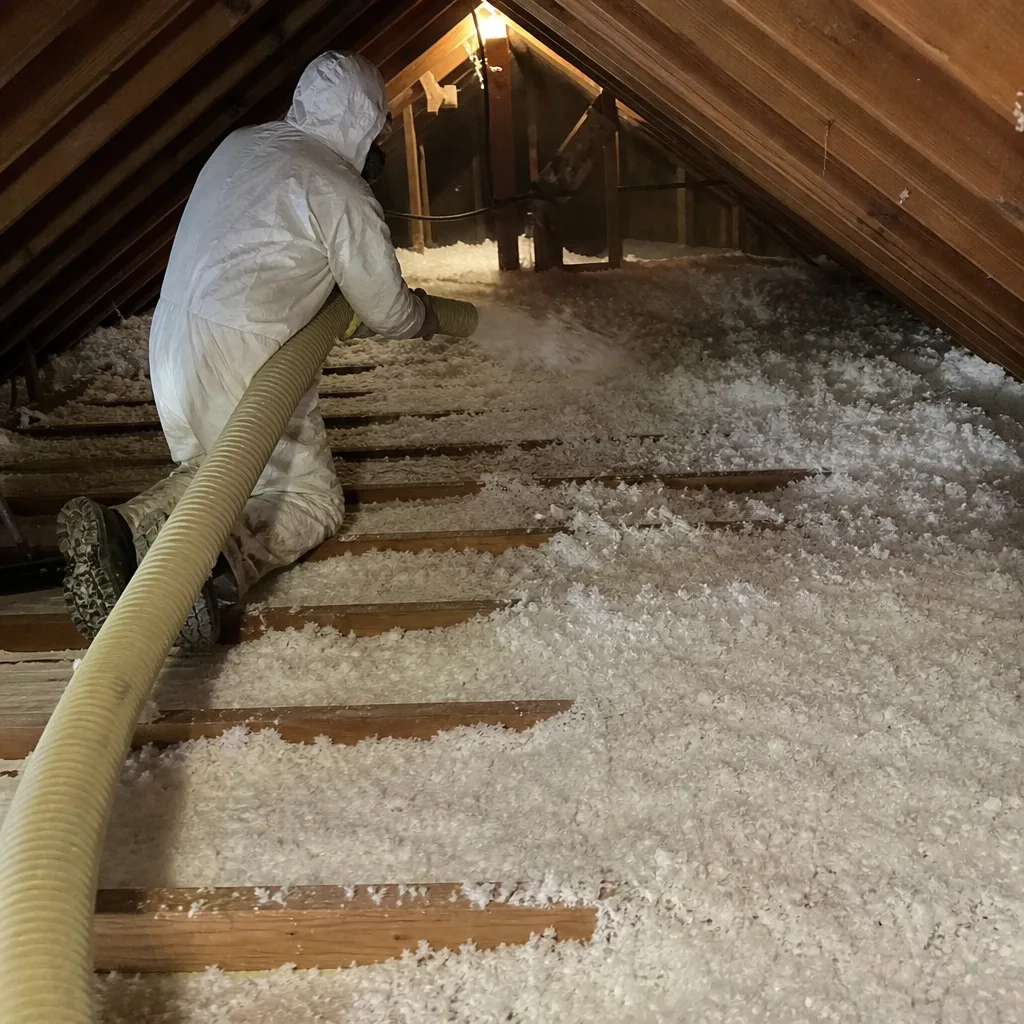
If your attic floor is already sealed - top plates, can lights, plumbing and electrical penetrations all caulked or foamed - and you simply need more depth to reach current R-value targets, a rental blower and bags of cellulose or fiberglass can work. In Yorba Linda’s inland Orange County climate, the current Title 24 prescriptive requirement for attic insulation is R-38 in new construction and R-30 for many retrofit situations, though we frequently find 1970s and 1980s homes in neighborhoods like East Lake and Travis Ranch sitting at R-19 or below.
A rental blower from a local home improvement store runs roughly $300-$400 per day. Blown cellulose from GreenFiber or Owens Corning runs about $0.40-$0.60 per square foot for materials. For a 1,500-square-foot attic, you’re looking at $600-$1,000 in materials plus the rental. The work is dusty and physically demanding in summer attic temperatures that exceed 140°F, but it’s mechanically straightforward: load the machine, keep the hose moving, and use a calibrated gauge stick every few rafter bays to verify depth.
Scenario 2: Batt Replacement in Accessible Spaces
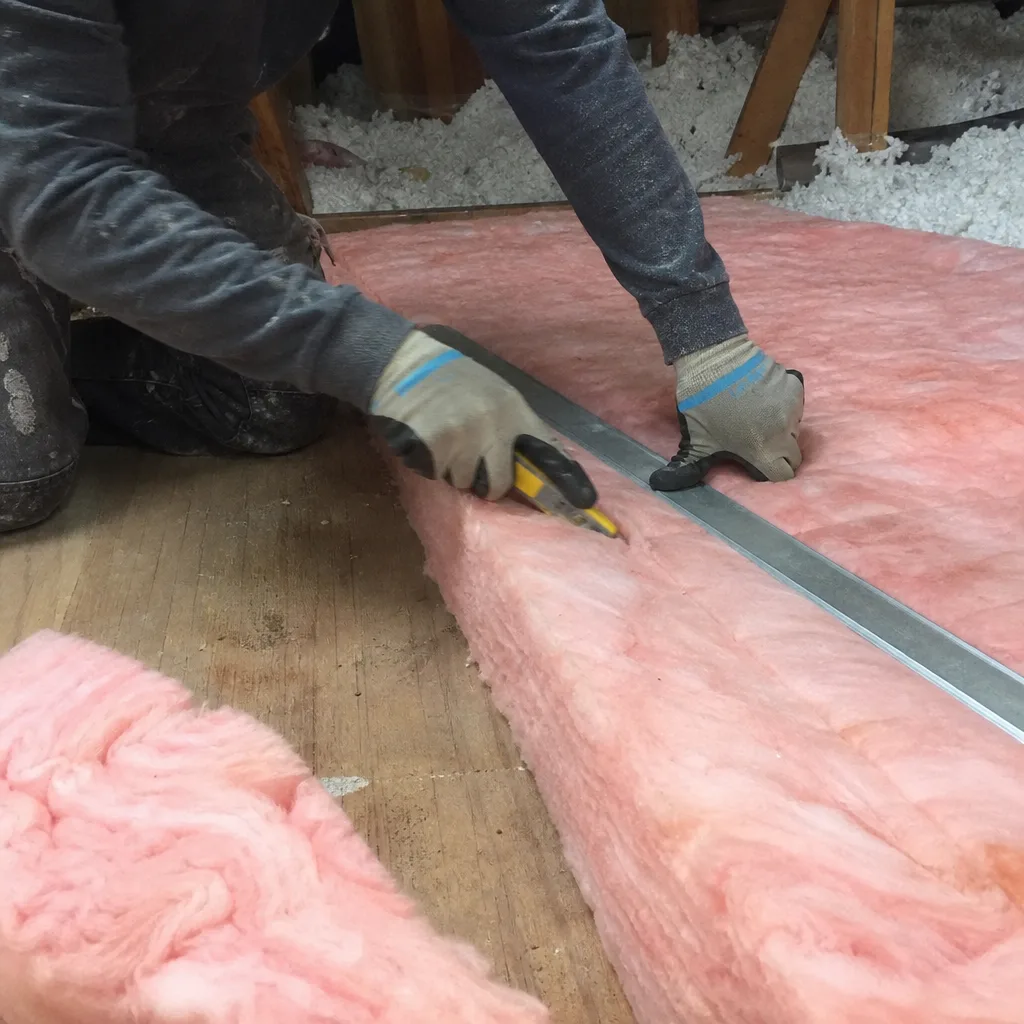
Wall cavities with removable interior drywall, crawl space subfloors with adequate clearance, and knee walls in second-story additions are all candidates for homeowner-installed batts. Johns Manville and Rockwool make batts sized to standard 16- and 24-inch framing. The critical detail most homeowners miss: compression reduces R-value. A batt labeled R-30 that’s squeezed into a 2×8 cavity compressed to 5.5 inches performs closer to R-25. Full loft, no compression, is the rule.
Scenario 3: Rim Joist Sealing in Unfinished Basements
Yorba Linda doesn’t have many basements, but the occasional hillside home in areas like Hidden Hills or the canyon-adjacent properties near Carbon Canyon Regional Park may have conditioned basement space. Rigid foam board cut and sealed into rim joist cavities with canned foam is within reach of a careful homeowner, provided the space is accessible and the foam is left exposed per fire code requirements.
What all three scenarios share: no permit trigger, no HERS requirement, and no need for a completion record that a third party will verify. If you’re insulating purely for comfort and utility savings with no near-term plans for solar, an addition, or a sale, DIY is a legitimate option.
Where DIY Breaks Down Technically
There are three technical failure modes we see in Yorba Linda attics where homeowners attempted DIY work and later called us to correct it. Each involves equipment or chemistry that doesn’t forgive mistakes.
Spray Foam Two-Component Kits and Exotherm Risk
Open-cell and closed-cell spray foam - the kind that actually air-seals while it insulates - requires precise temperature control, substrate moisture limits, and mixing ratios. The two-component kits sold to homeowners are lower-pressure versions of professional rigs, but the chemistry is identical and the exotherm (heat released during curing) is dangerous in a Yorba Linda summer attic.
We’ve inspected attics in Yorba Linda where DIY foam kits were applied in July when sheathing temperatures exceeded 150°F. The foam cured too fast, cracked, and in one case scorched the roof deck. The homeowner saved $1,200 on labor and spent $4,800 on removal and reapplication. Professional spray foam rigs have heated hoses and temperature-controlled substrates for a reason. The spray foam insulation in Yorba Linda that we install uses Demilec and Icynene products applied by technicians trained on equipment that costs more than most cars.
Depth Consistency in Blown Insulation
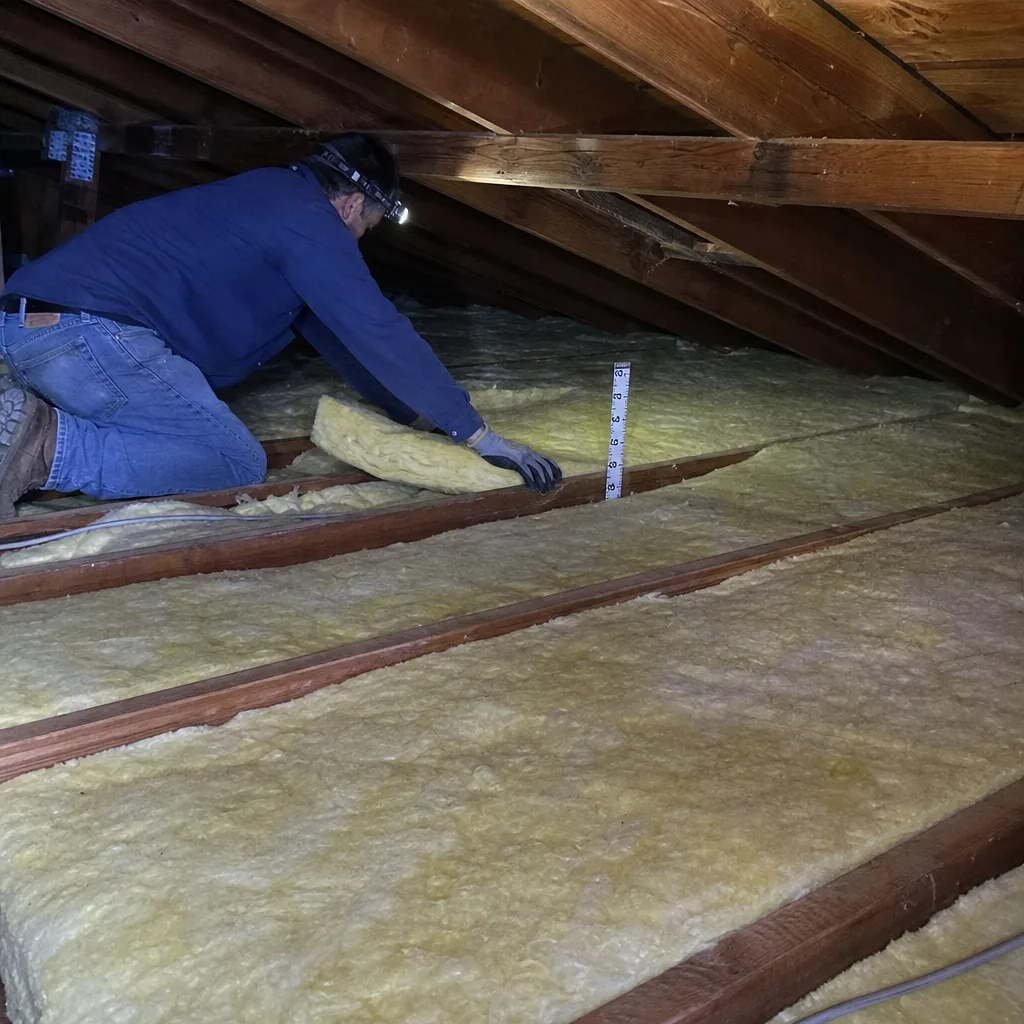
A rental blower from a home improvement store moves material at roughly half the CFM of a commercial insulation blower. That sounds like a feature - more control - but it means the operator spends more time in the attic, gets more fatigued, and produces more variation. We measure attic insulation depth on every job we inspect in Yorba Linda, and DIY blown jobs typically show 3-4 inches of variation across a single attic. That’s the difference between R-30 and R-22 in spots, which creates thermal bridging and condensation risk.
Professional crews use calibrated machines with agitators that break up clumps, and they work in teams where one operator runs the hose while another measures every third or fourth bay with a marked gauge stick. The protocol matters as much as the machine.
Air Sealing Before Insulation
This is the technical boundary that defines our entire approach. A blower-door test - a pressurization reading that shows, in one number, how much air your building envelope is losing - is the only way to know whether your attic floor is actually sealed before you bury it under 12 inches of new insulation. Homeowners cannot rent calibrated blower-door equipment. The Minneapolis Blower Door and Retrotec systems used for compliance-grade testing cost $3,500-$5,000 and require training to operate and interpret.
Without that test, you’re guessing. In Yorba Linda’s climate, where summer cooling loads dominate and winter heating is mild, an unsealed attic with new insulation on top is often worse than the original condition. The insulation blocks visual access to leaks, and the stack effect in summer pulls 140°F attic air through those leaks into your conditioned space faster because the pressure differential increases with the temperature gradient.
We seal first, then insulate - in that order. Envelope Insulation Co. will never blow insulation over an unsealed attic floor; air sealing of top plates, can lights, and penetrations is completed before any insulation is added. That’s not an upsell. It’s the physics of how insulation actually works.
The Permit and Documentation Boundary in Yorba Linda
This is where the DIY-versus-pro decision becomes legal, not technical. California’s Title 24 energy code and the City of Yorba Linda’s building department have specific requirements - covered in our Insulation Permits, Codes & Inspections in CA: What You Need to Know - that homeowners cannot satisfy without a licensed contractor.
When a Licensed C-2 Contractor Is Required
California Business and Professions Code Section 7026.1 defines a contractor as anyone who constructs, alters, or improves any building. The C-2 classification - Warm-Air Heating, Ventilating, and Air-Conditioning - covers insulation installation when it’s part of a building envelope system. More practically, the City of Yorba Linda Building Division requires a permit for any insulation work that:
- Involves spray foam application of any type
- Is part of a new addition, remodel, or solar installation requiring Title 24 compliance
- Alters the thermal envelope of a home that’s subject to HERS verification
- Requires a change to the home’s HERS rating or energy compliance documentation
The homeowner-builder exemption in California law allows a homeowner to act as their own contractor on their primary residence, but with critical limitations. You cannot pull a permit for work that requires a HERS rater verification unless you hold the appropriate license. You cannot produce a Title 24 Certificate of Compliance without a HERS rater’s signature. And you cannot provide the documentation that most solar installers, lenders, and buyers now require as a condition of proceeding.
HERS Ratings and What They Actually Mean
HERS - Home Energy Rating System - is California’s method for verifying that a home meets energy code. A HERS rater is a third-party certifier who inspects insulation installation quality, air sealing completeness, and duct leakage. For new construction and many major alterations in Yorba Linda, a HERS verification is mandatory.
The HERS registry produces a certificate that’s tied to the property’s assessor parcel number. When a homeowner in Yorba Linda’s Bryant Ranch neighborhood wants to install solar and needs to prove their attic assembly meets current code, the solar contractor pulls that HERS record. If it doesn’t exist, or if it shows pre-2019 insulation levels, the solar permit gets held until a compliant assembly is documented.
This is the documentation gap that traps DIY insulation projects. The work can be technically correct - right material, right depth, right coverage - and still fail to satisfy a downstream requirement because no licensed contractor performed it and no HERS rater verified it.
What Yorba Linda’s Building Division Actually Enforces
Yorba Linda contracts with the City of Anaheim for building department services, and permit inspections are performed by Anaheim building inspectors. In practice, this means Yorba Linda homeowners face the same enforcement standards as Anaheim residents: strict on Title 24 compliance, strict on HERS verification for applicable jobs, and increasingly strict on solar co-permitting requirements.
If you’re insulating as a standalone comfort improvement with no permit trigger, DIY is legal. If you’re insulating as part of any permitted project, or if you anticipate needing energy compliance documentation within the next 5-10 years, the DIY path closes.
True Cost Comparison: DIY vs Professional in Yorba Linda
Cost comparisons that only look at material and labor miss the value of documentation, testing, and warranty. For a detailed analysis, see our Insulation Cost Breakdown: The Yorba Linda Homeowner’s Reference for 2026. Here’s how the numbers actually break down for a typical 1,500-square-foot Yorba Linda attic.
DIY Blown Cellulose: The Full Accounting
| Item | Cost |
|---|---|
| GreenFiber or Owens Corning cellulose (50 bags @ $12-$15) | $600-$750 |
| Blower rental (2 days @ $300-$400/day) | $600-$800 |
| Protective gear, lighting, cleanup supplies | $150-$250 |
| Time (2 weekend days, opportunity cost) | $400-$800 |
| Total DIY Investment | $1,750-$2,600 |
This assumes no air sealing, no blower-door test, and no permit. The output is insulation in the attic and no documentation.
Professional Installed Cost with Documentation
Most attic insulation jobs in a Yorba Linda home of this size run between $2,800 and $4,500 when air sealing and a blower-door test are included. The variance depends on accessibility, existing insulation condition, and whether removal is required.
What that price includes that DIY cannot replicate:
- Pre-job blower-door test - establishes baseline air leakage in CFM50
- Air sealing of top plates, can lights, penetrations, and chase ways
- Blown insulation to uniform depth with gauge-stick verification
- Post-job blower-door test - documented improvement, typically 30-50% reduction
- Written scope, written warranty, and Documented Photo Record
- 365-Day Done Right Promise - if it’s not done right, we make it right
The $1,000-$2,000 gap between DIY and professional narrows significantly when you value the blower-door data. That single number - 4,200 CFM50 before, 2,100 after - is what energy auditors, solar contractors, and future buyers will ask for. Without it, you’re selling a claim rather than a measured result.
The Hidden Cost of Missing Documentation
We’ve worked with Yorba Linda homeowners who spent $2,000 on DIY insulation, then paid $1,800 for a professional air sealing and blower-door test two years later when they needed Title 24 documentation for a solar installation. The total spend exceeded professional installation from the start, and they lived with an underperforming attic for two years in between.
The Hybrid Approach That Makes Sense for Some Homeowners
There is a middle path that respects both budget and compliance requirements. We’ve recommended this to Yorba Linda homeowners who are capable, cautious, and clear-eyed about what they’re buying.
- Hire a professional for air sealing and the pre-job blower-door test. This establishes the baseline, seals the leaks that insulation would otherwise bury, and produces the first data point you’ll need for any future documentation.
- DIY the accessible flat attic area with blown insulation. With the air sealing complete and the blower-door number in hand, you can rent a blower and add depth to the flat, open areas of the attic. Stay away from sloped ceilings, tight corners, and any area where depth verification is difficult.
- Have the same professional return for a post-job blower-door test and documentation. This final step produces the verified improvement record and ties the work to a licensed contractor’s license number. The cost for a standalone blower-door test and report in Yorba Linda typically runs $400-$600.
This hybrid approach typically saves $800-$1,200 compared to full professional installation while still producing compliant documentation. The tradeoff: no 365-Day Done Right Promise on the insulation portion, and any depth inconsistency or coverage gap is your responsibility to identify and correct.
We’ve performed this split on several Yorba Linda homes, always with the same condition: we document what we sealed and tested, and the homeowner documents what they insulated. The record is clear, and future buyers or permit reviewers can see exactly who did what.
Yorba Linda Climate and Code Considerations
Yorba Linda’s inland location - 20 miles from the coast, elevation 400-500 feet - creates a climate that’s harsher on attics than coastal Orange County but milder than the Inland Empire extremes. Summer design temperatures hit 95°F ambient, with attic temperatures routinely reaching 140-150°F. Winter lows dip to the high 30s, though sustained freezing is rare.
This climate profile matters for insulation decisions in specific ways:
- Cooling-dominant loads mean air sealing matters more than incremental R-value. A well-sealed R-30 attic outperforms a leaky R-38 attic in Yorba Linda summer conditions. The stack effect pulls hot attic air downward through ceiling leaks; stopping that airflow has more impact than adding insulation over it.
- Radiant barriers have limited value in conditioned attics but significant value in vented attics with dark shingles. In Yorba Linda’s intense sun, a radiant barrier properly installed to the underside of roof decking can reduce attic temperatures by 20-30°F. DIY radiant barrier installation is possible but requires precise air gap maintenance and avoidance of dust accumulation on the reflective surface.
- Wildfire exposure in canyon-adjacent neighborhoods affects material choices. Homes near Chino Hills State Park or in the eastern Yorba Linda hills face elevated wildfire risk. Class A fire-rated insulation assemblies and ignition-resistant exterior vents are code requirements in these zones, not options. DIY insulation in these areas must comply with Chapter 7A of the California Building Code, which specifies tested and listed materials.
- Title 24 updates in 2022 and 2025 are tightening documentation requirements. The 2022 Energy Code update increased prescriptive attic insulation requirements and expanded HERS verification triggers. The 2025 cycle is expected to add whole-home performance testing requirements. Documentation produced now will be compared against stricter standards in coming years; professional work with measured baselines ages better than undocumented DIY.
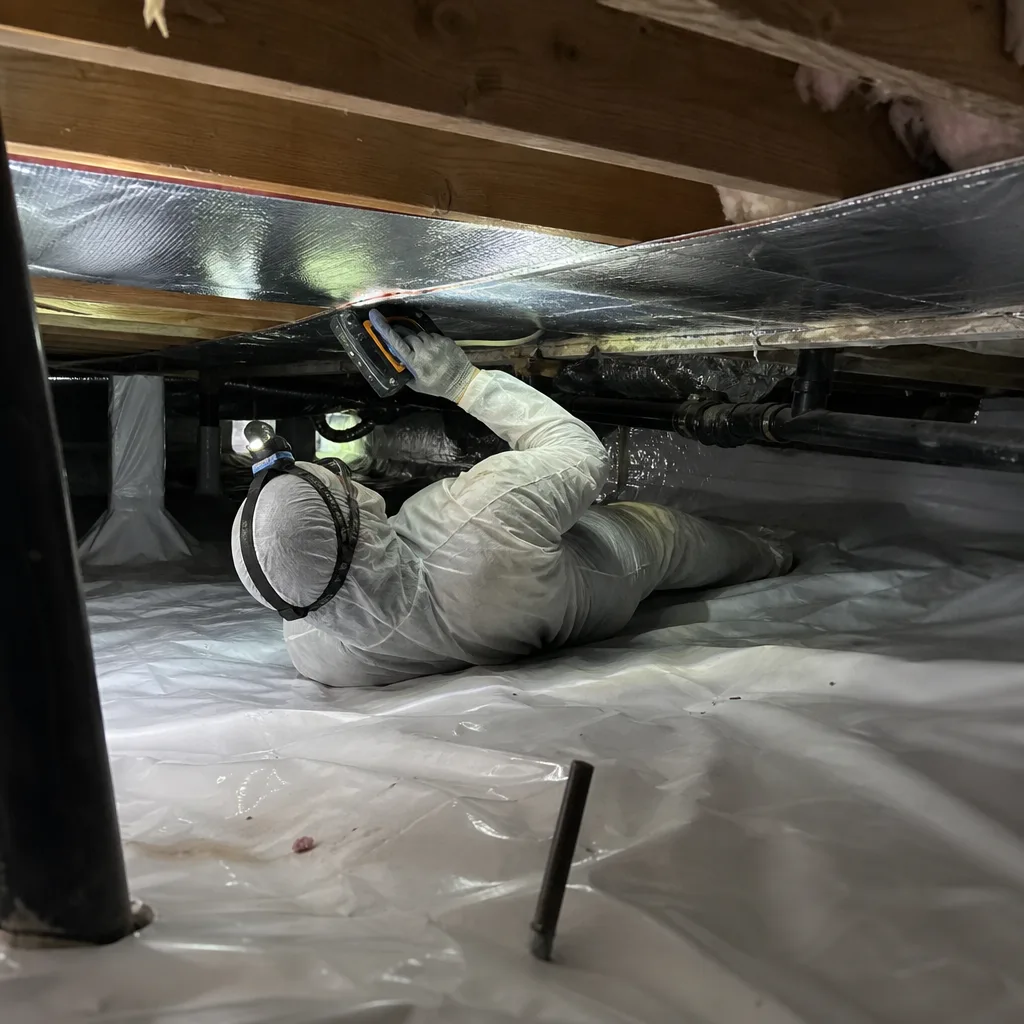
For crawl space encapsulation and vapor barrier in Yorba Linda, the climate considerations differ. Yorba Linda’s mild winters and dry summers mean crawl space moisture is less severe than in coastal or northern California markets, but the occasional heavy rain and clay-heavy soils in areas like Savi Ranch can create localized moisture problems. Crawl space work almost always requires a vapor barrier meeting ASTM E1745 standards, which is not a DIY-accessible specification.
Common Mistakes to Avoid
- Insulating over unsealed can lights. In Yorba Linda’s 1970s and 1980s housing stock, recessed can lights are common ceiling penetrations. Covering them with insulation without sealing first creates a direct path for 140°F attic air into conditioned space. Worse, non-IC-rated cans overheated by insulation create fire risk. Always seal with rated covers or replace with airtight IC-rated fixtures first.
- Blocking soffit vents with insulation. Yorba Linda attics require ventilation. Blowing insulation deep enough to reach R-38 without installing baffles at the eaves chokes off intake ventilation and creates moisture accumulation. We’ve pulled moldy insulation from East Lake attics where this exact mistake trapped humid air against roof decking.
- Using the wrong spray foam kit for the application. Open-cell foam (half-pound density) is not a moisture barrier. Closed-cell foam (two-pound density) is. Using open-cell against a roof deck in Yorba Linda’s occasional rain events traps moisture and rots sheathing. The kit label says which it is; homeowners often grab the cheaper option without understanding the difference.
- Ignoring the thermal boundary. Insulation must align with the air barrier. In Yorba Linda homes with furnace-attic configurations, the thermal boundary sometimes shifts between seasons. DIY installers often insulate the wrong surface - attic floor when the boundary is the roofline, or vice versa - and wonder why comfort doesn’t improve.
- Skipping the gauge stick. Depth verification every fourth rafter bay, minimum. Eyeballing it produces variation that thermal imaging will reveal later. Professional crews mark their sticks in R-value equivalents for the material being installed; most homeowners don’t know the conversion.
- Assuming no permit means no consequences. Unpermitted work doesn’t trigger immediate enforcement, but it surfaces at sale, refinance, solar installation, and insurance claims. Yorba Linda’s real estate market moves fast; a six-week permit delay for retroactive documentation kills deals.
- Neglecting personal protective equipment. Fiberglass and cellulose dust are respiratory hazards. Mineral wool from Rockwool is particularly irritating to skin. Yorba Linda’s summer attic temperatures create heat exhaustion risk in under 30 minutes. Professional crews work in teams with hydration protocols for a reason.
When to Call a Professional
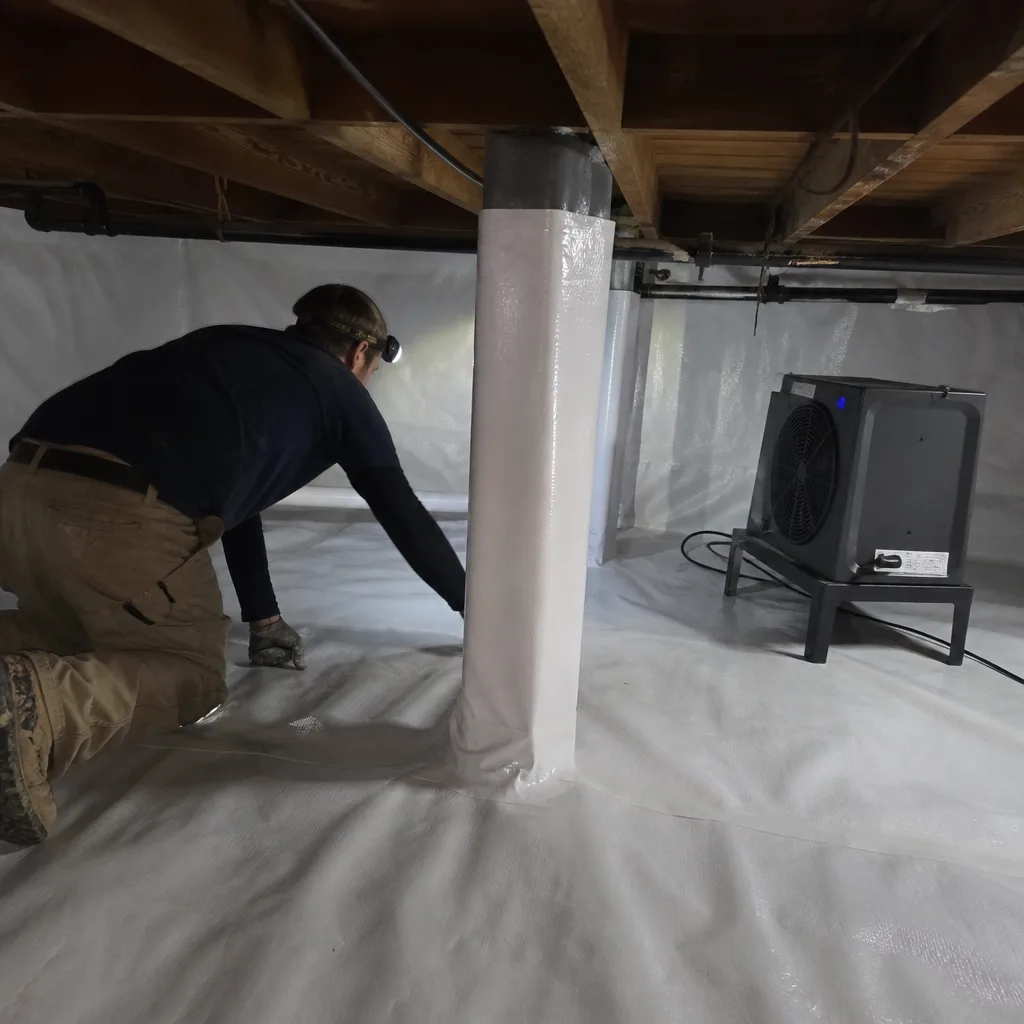
Call a licensed contractor when any of these apply: spray foam is involved; the job requires a permit or will be part of a permitted project within five years; you need Title 24 or HERS documentation; your attic hasn’t had a blower-door test in the last decade; you’re insulating over any surface you haven’t visually inspected for leaks; or you simply want measured proof of improvement rather than a hope.
Topside Attic Insulation Yorba Linda offers free estimates in Yorba Linda - call (909) 323-1675. Every estimate includes a written price before any work starts, per Haven Standard Clause 1. We also offer a Free Second Opinion on any written estimate: bring us a competing quote and we’ll read it with you. Our 9,000+ homes sealed and insulated since 2016 - every one with a written price before work started and a documented record when the crew left - speaks to what leaving looks like before we arrive. Explore more guides & resources on attic insulation and home energy efficiency.
For homeowners comparing approaches, our attic insulation in Yorba Linda page details our full process, and our Topside Attic Insulation Yorba Linda home page covers our complete service line.
Frequently Asked Questions
Most attic insulation jobs in a Yorba Linda home run between $2,800 and $4,500 when air sealing and blower-door testing are included, with smaller accessible attics starting closer to $2,200 and complex removals exceeding $5,000. The price depends on square footage, existing insulation condition, accessibility, and whether spray foam or blown fiberglass is specified. Call (909) 323-1675 for a written price before any work starts - estimates are free.
Yes, for standalone comfort improvements that don’t alter a permitted assembly or trigger Title 24 compliance requirements. If the work is part of a solar installation, addition, or remodel, or if you need HERS verification, a licensed C-2 contractor must perform or supervise the work. The homeowner-builder exemption does not extend to HERS-rated completions.
Title 24 prescriptive requirements for Yorba Linda’s climate zone call for R-38 in new construction and R-30 for many retrofits, though we frequently recommend R-38 or higher for homes with dark roofing or poor summer cooling performance. The more important number is your blower-door result: a well-sealed R-30 attic outperforms a leaky R-38 in Yorba Linda’s cooling-dominant climate.
Closed-cell spray foam at R-6.5 per inch provides the highest R-value per inch and acts as both insulation and air barrier, making it valuable for Yorba Linda homes with limited attic depth or conditioned attic assemblies. Open-cell foam at R-3.6 per inch is less expensive but requires a separate air barrier. The payback period in Yorba Linda’s climate typically runs 7-12 years for full spray foam versus 4-7 years for blown fiberglass with proper air sealing. Your specific payback depends on HVAC efficiency, electricity rates, and existing envelope performance.
The only reliable method is a blower-door test - a pressurization reading that shows, in one number, how much air your building envelope is losing. Visual inspection can identify obvious gaps around can lights, top plates, and penetrations, but many leaks are hidden by existing insulation or occur at joints that appear tight. In Yorba Linda, we typically see pre-sealing blower-door results of 3,500-5,500 CFM50 in 1970s-1990s homes, with post-sealing targets of 2,000-3,000 CFM50 depending on home size.
Without a licensed contractor’s work and HERS verification, you’ll need to hire a professional to inspect, test, and potentially remove and reinstall insulation to produce compliant documentation. This typically costs 60-80% of original professional installation. The hybrid approach - professional air sealing and testing, DIY insulation, professional post-test - can work if planned from the start, but retroactive documentation of pure DIY work is often impossible without rework.
Yes. Bring us any written estimate and we’ll review it with you, line by line, at no charge. Under Haven Standard: Have it in writing, we believe homeowners deserve to understand what they’re being quoted before they commit. Call (909) 323-1675 to schedule.
The Bottom Line
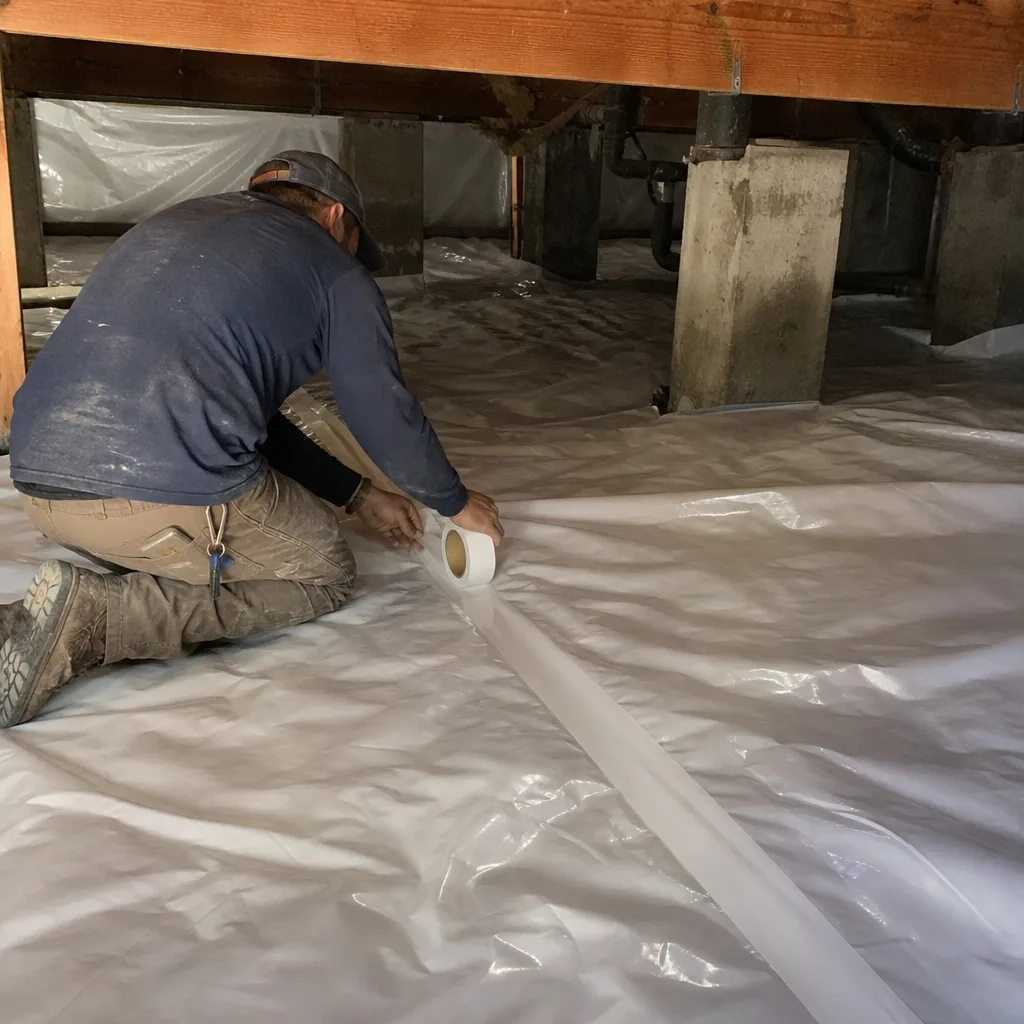
The DIY-versus-professional insulation question in Yorba Linda comes down to three concrete factors: whether you need documentation that a third party will accept, whether the job requires equipment you cannot access, and whether you’re willing to work without measured proof of improvement. Simple blown-in top-ups on sealed attics are within reach of capable homeowners. Spray foam, air sealing, and any job with a permit trigger require a licensed professional. The hybrid approach - professional sealing and testing, DIY insulation, professional verification - splits the difference for some. Whatever path you choose, make the decision based on what your future self will need, not just what today’s budget allows.
Written by Wes Okafor, Owner at Topside Attic Insulation Yorba Linda, serving Yorba Linda since 2016.