
Rockwool Radiant Barrier Installation: The Yorba Linda Owner’s Guide
Rockwool radiant barrier installation in Yorba Linda typically runs $2,400-$4,200 for an average 2,000-square-foot attic, and we stock Rockwool AFB (Acoustical Fire Batt) and Comfortboard 80 compatible assemblies on our trucks for same-day starts. Most homeowners figure out something’s wrong when their upstairs bedrooms won’t cool below 78°F even after sunset, or when their July electric bill jumps $180-$340 over the previous year. The radiant barrier isn’t a single “part” you can hold in your hand - it’s a system of foil-faced or reflective sheathing layered with mineral wool insulation - but when the assembly fails, the symptoms show up fast in Yorba Linda’s inland heat.
Which Rockwool Models This Applies To
Rockwool doesn’t manufacture a standalone “radiant barrier” product the way Reflectix does. What we install is a hybrid assembly: Rockwool’s stone wool insulation (Comfortboard 80 for exterior walls and roof decks, AFB for interior partition and attic applications) paired with a radiant-reflective facing or adjacent foil barrier. The key is matching the facing to the batt. Comfortboard 80 comes unfaced, so we pair it with a separate foil radiant barrier layer - typically a perforated aluminum product rated for attic use. AFB is available with or without a factory-applied foil facing; if your original installer used the unfaced version and skipped the radiant barrier entirely, that’s the compatibility gotcha we see most often in Yorba Linda tract homes built 2015-2020.
To identify what you’ve got, check the batts for a printed label reading “ROCKWOOL AFB” or “COMFORTBOARD 80″ - the ink fades but the embossing stays readable. Measure the thickness: AFB runs 1.5″ to 6″ in half-inch increments; Comfortboard 80 is 1″ to 4”. If there’s a shiny foil layer on one side, note whether it’s factory-applied or a separate sheet stapled afterward. The separate sheet approach fails first at the seams. We source OEM Rockwool from their Ranson, West Virginia plant and pair it with CodeBord or Fi-Foil radiant barrier products - never a generic hardware-store roll that delaminates at 140°F attic temps.
Signs Your Rockwool Radiant Barrier Installation Is Failing
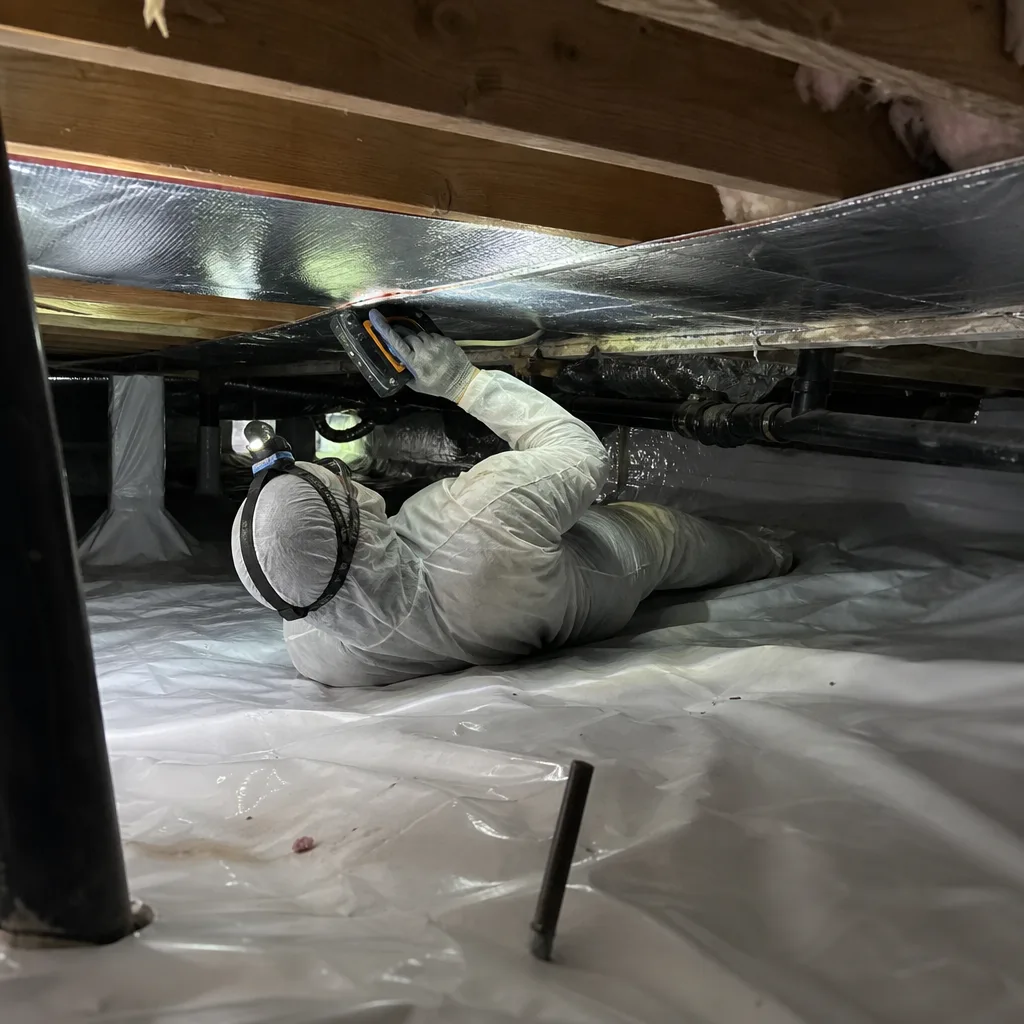
- Upstairs rooms stay hot past 10 p.m. The radiant barrier’s reflective surface has oxidized or collected dust, dropping its emissivity below 0.05. In Yorba Linda, where Santa Ana winds carry fine dust from the Cleveland National Forest, this happens faster than the manufacturer specs suggest.
- Energy bill spikes 25-40% in summer with no rate change. The mineral wool itself is fine - stone wool doesn’t settle like fiberglass - but the radiant barrier layer has separated at the seams or was never properly sealed at the top plates. Conditioned air escapes; attic heat radiates downward.
- Hot spots on your ceiling you can feel with your hand. This means the radiant barrier has a gap, tear, or was installed with the reflective side facing the wrong direction. Rockwool assemblies require the foil to face an air space; if it’s pressed directly against the roof deck, it’s doing nothing.
- Musty smell in the attic after rare rain. Rockwool is hydrophobic and won’t mold, but a failed radiant barrier can let roof-deck condensation reach the top plates. We see this in Yorba Linda’s older hillside homes off Bastanchury Road where morning fog lingers.
- Insulation looks intact but performance dropped after a roof replacement. Roofing crews walk on or remove radiant barrier sheets to access decking. They rarely reinstall them correctly. The AFB batts underneath survive; the barrier doesn’t.
Replacement Cost & What’s Included
Most Rockwool radiant barrier assemblies in Yorba Linda run between $2,400 and $4,200 installed. The low end covers a straightforward attic with good access, existing AFB in place, and a simple foil-barrier replacement. The high end involves Comfortboard 80 on a pitched roof deck, removal of failed generic barrier material, and full air-sealing of top plates and can-light penetrations before the new barrier goes in.
| Component | Price Range |
|---|---|
| Rockwool AFB (unfaced, per sq ft installed) | $1.80-$2.60 |
| Comfortboard 80 (roof deck, per sq ft) | $2.40-$3.40 |
| Radiant barrier foil (perforated, per sq ft) | $0.75-$1.25 |
| Air sealing (top plates, penetrations) | $450-$890 |
| Blower-door test (before/after) | Included |
Every job gets a Written Price Before Any Work Starts - Haven Standard Clause 1 - and a Documented Photo Record when we leave. On applicable jobs, we run the blower-door depressurization test before and after, so you see the CFM50 number drop in black and white. The 365-Day Done Right Promise covers all labor and materials.
DIY or Call Us?
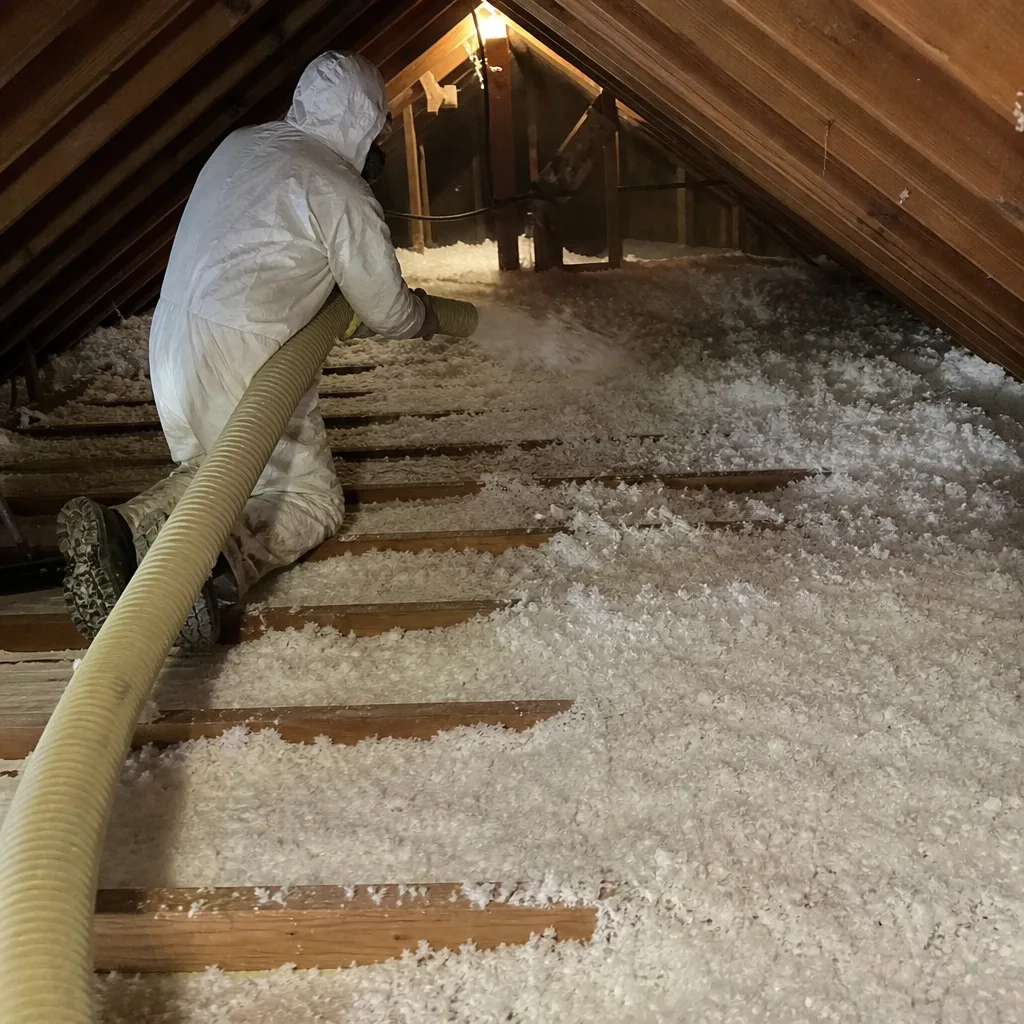
There’s no high-tension spring or electrical hazard here, but there is a measurement problem. A homeowner can safely check whether their radiant barrier foil is intact, properly oriented (shiny side down, facing the attic air space), and continuous across the rafters. What you can’t do from a Home Depot ladder is run a blower-door test to know whether your top plates are leaking 400 CFM50 of conditioned air into the attic - and in Yorba Linda, they usually are.
We’ve also seen DIYers install new foil directly over old, dusty foil, which traps moisture and voids the Rockwool warranty. Or they use unfaced AFB and skip the air gap entirely. Seal the leaks first. Then insulate. The numbers will tell you whether it worked. If you want the numbers, call (909) 323-1675.
FAQs
The stone wool itself lasts 50+ years; it doesn’t settle or degrade. The radiant barrier foil facing lasts 15-25 years depending on attic dust accumulation and whether it was perforated (allows moisture escape) or unperforated (traps it). In Yorba Linda’s dry climate, dust is the bigger enemy than moisture - we see significant emissivity loss around year 12 in homes near Savi Ranch with agricultural dust exposure. Call (909) 323-1675 and we’ll test yours with an infrared thermometer - estimates are free.
Small tears can be taped with aluminum foil tape rated for 200°F, but patching is usually false economy. The barrier fails at seams and penetrations you can’t see from the attic hatch, and a patch job leaves the original dust and oxidation in place. We replace the full sheet, verify the air gap, and give you a documented photo record of the new installation. For an exact quote on your attic, call (909) 323-1675.
A typical Yorba Linda attic - 1,800 to 2,400 square feet - takes one day for removal, air sealing, and new barrier installation. Two-story homes with complex rooflines or finished attic floors may run into a second day. We don’t start without a written price, and we don’t leave without the blower-door numbers. Call (909) 323-1675 to schedule.
Yes. We carry Comfortboard 80, AFB in common thicknesses, and perforated radiant barrier foil from CodeBord and Fi-Foil. We’re an independent service provider - not affiliated with Rockwool - and we also stock Reflectix products for homeowners who prefer that assembly. If your attic has an unusual configuration, we’ll measure on the first visit and have materials next day. Call (909) 323-1675.
Ready to stop your upstairs from baking every July afternoon? Call (909) 323-1675 for a free estimate. We’ll run the blower-door test, show you the written price before any work starts, and hand you the before-and-after numbers when we’re done.
Written by Wes Okafor, Owner, Topside Attic Insulation Yorba Linda at Topside Attic Insulation Yorba Linda, serving Yorba Linda and nearby areas.